Chemical Properties
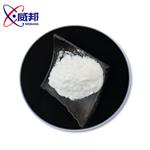
Crystalline solid. Decomposes at 215C.
Slightly soluble in water.
Uses
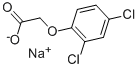
2,4-Dichlorophenoxy Acetic Acid Sodium Salt is the salt form of 2,4-Dichlorophenoxyacetic Acid (D435680); herbicide. Used to increase latex output of old rubber trees.
Production Methods
The commercial production of 2,4-D sodium begins with purified 2,4-D acid, produced via the standard phenoxyacetic acid route involving chlorination of phenol and etherification with monochloroacetic acid. Once the free acid is isolated and refined, it is dissolved in water or a mixed solvent and neutralised with sodium hydroxide, forming the sodium carboxylate salt under controlled pH and temperature to avoid excess base or unreacted acid.
General Description
A clear brown to black liquid with a characteristic phenoxy odor. Primary hazard is threat to the environment. Immediate steps should be taken to limit spread to the environment. Easily penetrates the soil to contaminate groundwater and nearby waterways.
Air & Water Reactions
Completely soluble in water.
Reactivity Profile
Sodium 2,4-dichlorophenoxyacetate is incompatible with strong oxidizers.
Hazard
Irritant by inhalation.
Fire Hazard
Flash point data for Sodium 2,4-dichlorophenoxyacetate are not available. Sodium 2,4-dichlorophenoxyacetate is probably combustible.
Mechanism of action
Selective, systemic, absorbed through roots and increases biosynthesis and production of ethylene causing uncontrolled cell division and so damages vascular tissue. Synthetic auxin.
Safety Profile
Poison by ingestion, intraperitoneal, subcutaneous, and intravenous routes. Moderately toxic by skin contact. An experimental teratogen. Human systemic effects by inhalation: anorexia, gastrointestinal, and liver changes. Mutation data reported. When heated to decomposition it emits toxic fumes of Cland Na2O.