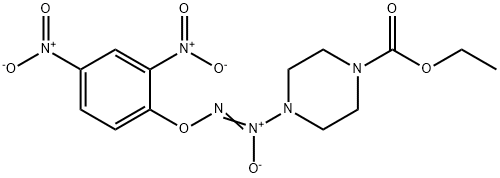
Uses
JS-K is a NO donor that reacts with glutathione to generate NO at physiological pH. JS-K induces reactive oxygen species (ROS) to mediate apoptosis. JS-K induces autophagy. JS-K inhibits invasion. JS-K has a broad spectrum anti-proliferative activity in cancer cells. JS-K reduces tumor volume and causes necrosis of implanted tumors in mice[1][2].
Biochem/physiol Actions
JS-K belongs to the class of diazeniumdiolate prodrug. It generates nitric oxide when metabolized by glutathione S-transferases (GST), which ensures optimal activity of JS-K. It has tumor growth inhibition action in human prostate cancer and leukemia.
References
[1] Shami PJ, et al. JS-K, a glutathione/glutathione S-transferase-activated nitric oxide donor of the diazeniumdiolate class with potent antineoplastic activity. Mol Cancer Ther. 2003 Apr;2(4):409-17. PMID:12700285
[2] Liu B, et al. JS-K, a nitric oxide donor, induces autophagy as a complementary mechanism inhibiting ovarian cancer. BMC Cancer. 2019 Jul 1;19(1):645. DOI:
10.1186/s12885-019-5619-z[3] Simeone AM, et al. TIMP-2 mediates the anti-invasive effects of the nitric oxide-releasing prodrug JS-K in breast cancer cells. Breast Cancer Res. 2008;10(3):R44. DOI:
10.1186/bcr2095[4] Dong R, et al. Effects of JS-K, a novel anti-cancer nitric oxide prodrug, on gene expression in human hepatoma Hep3B cells. Biomed Pharmacother. 2017 Apr;88:367-373. DOI:
10.1016/j.biopha.2017.01.080