Uses
Ligand for the Suziki-Miyaura coupling of tosylates and mesylates.
Application
BrettPhos is a dialkylbiaryl phosphine ligand developed by the Buchwald group. It promotes cross-coupling reactions more efficiently and exhibits improved reactivity compared to other catalytic systems.
It can be used in:
palladium-catalyzed trifluoromethylation of aryl chlorides
Buchwald-Hartwig amination
synthesis of 4-aryl and alkyl substituted, N6-alkylated pyridazine-3,6-diamines via a Buchwald protocol
Buchwald Phosphine Ligands for chemical Synthesis
Reactions
-
-
Ligand for palladium-catalyzed cross-coupling reactions using aryl mesylates with electron-deficient anilines.
-
-
Ligand for palladium-catalyzed cross-coupling of primary arylamines at low catalyst loading.
-
-
Ligand for palladium-catalyzed cross-coupling of aryl iodides and primary amines.
-
-
Ligand for the Suziki-Miyaura coupling of tosylates and mesylates.
-
-
Ligand for the palladium-catalyzed trifluoromethylation of aryl chlorides.
-
-
Ligand for the palladium-catalyzed formation of aryl-SCF3 compounds from aryl bromides.
-
-
Ligand for the nickel-catalyzed cross-coupling of styrenyl epoxides with boronic acids.
-
-
Ligand for the palladium-catalyzed intramolecular CH difluoroalkylation.


reaction suitability
reagent type: catalyst
reaction type: Cross Couplings
Synthesis
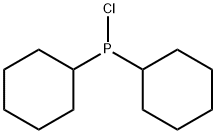
Example 2: General procedure for the synthesis of compounds 1 to 5; A 25 mL round bottom flask was dried in an oven equipped with a magnetic stir bar and 2-iodo-2',4',6'-triisopropyl-3,6-dimethoxy-1,1'-biphenyl (1 g, 2.15 mmol) was added. The flask was evacuated and backfilled with argon and the process was repeated three times. Anhydrous THF (10 mL) was added via syringe and the reaction mixture was cooled to -78 °C. Over 10 min, n-butyllithium (2.5 M hexane solution, 940 μL, 2.36 mmol) was added dropwise. After stirring the reaction mixture for 30 min, dicyclohexylphosphonium chloride (2.26 mmol) was added dropwise over 10 min. Stirring was continued at -78 °C for 1 h. The mixture was then slowly warmed to room temperature and stirred for an additional 1.5 h. The reaction mixture was then stirred for 1.5 h. The reaction mixture was then heated to room temperature. The reaction mixture was filtered through a diatomaceous earth plug, which was pre-placed on silica (eluting with ethyl acetate). The filtrate was concentrated on a rotary evaporator to give a white solid. The crude product was recrystallized by acetone (ligands 2 to 5 were recrystallized by methanol) to give white crystals of the target product 2-(dicyclohexylphosphino)-3,6-dimethoxy-2',4',6'-triisopropyl-1,1'-biphenyl.
References
[1] Journal of the American Chemical Society, 2008, vol. 130, # 41, p. 13552 - 13554
[2] Patent: WO2009/76622, 2009, A2. Location in patent: Page/Page column 115-116