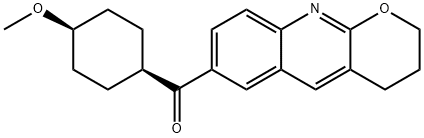
JNJ16259685 (0.125, 0.25, 0.5, 1, 2, 4 and 8 mg/kg, i.p) significantly reduces the time spent in digging behaviours (0.25-8 mg/kg), threat (all doses) and attack, in comparison with vehicle group[1]. JNJ16259685 (30 mg/kg) produces very minimal effects on locomotor activity. JNJ16259685 dramatically reduces rearing behavior, exploration of a novel environment and lever pressing for a food reward (rat: 0.3 mg/kg; mouse: 1 mg/kg). Subcutaneously administered JNJ16259685 (30 mg/kg) has no effect on reflexive startle responses to loud auditory stimuli or foot shock in mice[2]. JNJ16259685 exhibits high potencies in occupying central mGlu1 receptors in the rat cerebellum and thalamus (ED50=0.040 and 0.014 mg/kg, respectively)[3].