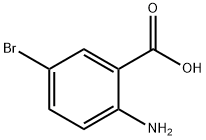
Uses
6-Bromoquinazolin-4-ol serves as a precursor for 6-bromo-4-chloroquinazoline, obtained by refluxing it with phosphorous oxychloride at 120 °C, and undergoes O-benzylation under optimized conditions to give the corresponding benzyl ether in 78% yield[2][3].
Synthesis
In a 10 mL microwave reaction tube, 5-bromo-2-iodobenzoic acid (1.0 mmol), formamidine hydrochloride (1.2 mmol), CuCl2 (0.1 mmol), ligand L2 (0.1 mmol), and NaOH (4.0 equiv) were sequentially added, followed by 3.0 mL of deionized water. The reaction tube was sealed with a septum and placed in a microwave reactor. Using a CEM Discover microwave synthesizer, radiation was applied at 120 W for 20 min at room temperature, and continuous stirring was maintained during the reaction. After completion of the reaction, the solvent was removed by distillation under reduced pressure. The crude product was purified by silica gel column chromatography to afford the target compound 6-bromoquinoxalin-4-ol. The structures of all the products were confirmed by nuclear magnetic resonance (NMR) and mass spectrometry (MS) analysis.
References
[1] Synthetic Communications, 2018, vol. 48, # 24, p. 3089 - 3098
[2] Yadav, R. R., Guru, S. K., Joshi, P., Mahajan, G., Mintoo, M. J., Kumar, V., Bharate, S. S., Mondhe, D. M., Vishwakarma, R. A., Bhushan, S., & Bharate, S. B. (2016). 6-Aryl substituted 4-(4-cyanomethyl) phenylamino quinazolines as a new class of isoform-selective PI3K-alpha inhibitors. European Journal of Medicinal Chemistry, 122, 731–743.
https://doi.org/10.1016/j.ejmech.2016.07.006 [3] Jain, S. K., Meena, S., Singh, B., Bharate, J. B., Joshi, P., Singh, V. P., Vishwakarma, R. A., & Bharate, S. B. (2012). KF/alumina catalyzed regioselective benzylation and benzoylation using solvent-free grind-stone chemistry. RSC Advances, 2(24), 8929.
https://doi.org/10.1039/c2ra21154h