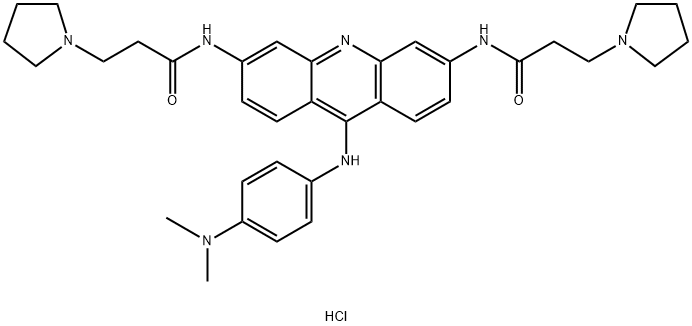
BRACO-19 trihydrochloride (oral administration or intraperitoneal injection; 2 or 5 mg/kg; 3 weeks) oral dosing regimen are always inactive and the animals have to be sacrificed due to high tumor burden before overall termination of the study, Chronic, i.p. BRACO-19 administration, qdx5 is efficient in inhibiting tumor growth in earlystage xenografts but not advanced-stage xenografts[1]. BRACO-19 trihydrochloride (intraperitoneal injection; 2 mg/kg; 3 weeks; starting 6 days after transplantation of UXF1138LX fragments) inhibits tumor growth significantly and under these conditions, marked single-agent antitumor activity is observed, with some animals in the group showing complete regressions (5 of 12 tumors)[1].
| Animal Model: | Established UXF1138LX Xenografts in nude mice[1] |
| Dosage: | 2 mg/kg |
| Administration: | Intraperitoneal injection; 3 weeks; starting 6 days after transplantation of UXF1138LX fragments |
| Result: | Showed partial tumor regressions with an optimal T/C on day 28 of 4.1%, equal to 95.9% inhibition of tumor growth compared with control. |