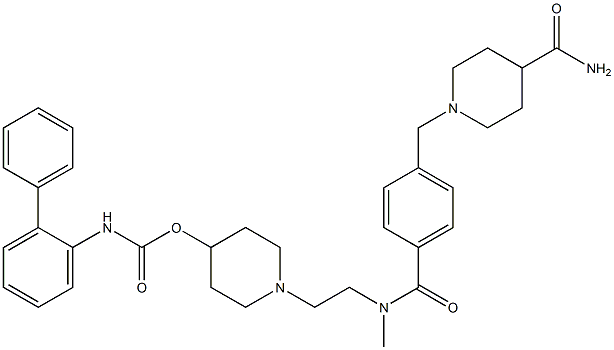
Description
Revefenacin is a synthetic anticholinergic that is prescribed for the treatment of chronic obstructive pulmonary disease (COPD).
Uses
Revefenacin is used to treat chronic obstructive pulmonary disease (COPD), a long-term (chronic) lung disease that includes chronic bronchitis, emphysema, or both. It is an anticholinergic drug that helps the muscles around the airways in the lungs stay relaxed to prevent symptoms such as wheezing, coughing, chest tightness, and shortness of breath.
Application
Revefenacin is an FDA-approved anticholinergic drug, a new tertiary amine biphenylcarbamate agent that also belongs to the long-acting muscarinic antagonist (LABA) family. It has the effect of relaxing the muscles around the airways of the lungs to make breathing easier. The structurally unstable tertiary amide produces a "soft drug" site, allowing rapid systemic clearance and minimising systemically mediated adverse effects. It can be used to treat symptoms such as wheezing, shortness of breath, cough and chest tightness in patients with chronic obstructive pulmonary disease (COPD: a group of diseases affecting the lungs and airways, including chronic bronchitis and emphysema).
Mechanism of action
Revefenacin is a long-acting cholinergic antagonist (LAMA) with high lung specificity. It works by binding to M3 muscarinic receptors on bronchial smooth muscle, inhibiting tracheal constriction caused by the release of acetylcholine from parasympathetic nerve terminals. It is clinically used for maintenance therapy in patients with chronic obstructive pulmonary disease (COPD).
Side effects
Common adverse reactions in clinical trials (1%-10%) were headache, nasopharyngitis, upper respiratory tract infection, back pain, bronchitis, dizziness, and hypertension.