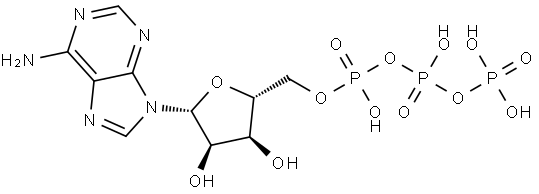
What is the main pathway of 5'-adenosine triphosphate (ATP) biosynthesis?
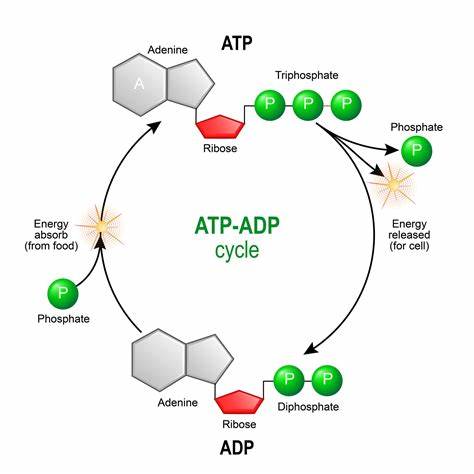
The intracellular concentration of 5'-adenosine triphosphate (ATP) is typically maintained in the range of 1-10 mM. ATP can be generated through multiple cellular pathways, the most important of which are oxidative phosphorylation catalyzed by ATP synthase in mitochondria and photosynthesis in chloroplasts of plant cells. The main energy substrates for ATP synthesis are glucose and fatty acids. Specifically, one molecule of glucose initially generates two molecules of pyruvate and two molecules of ATP in the cytoplasm. Subsequently, glucose is completely oxidized in the mitochondria through the tricarboxylic acid cycle (TCA cycle, also known as the citric acid cycle), ultimately generating up to 32 molecules of ATP. Furthermore, the oxidative catabolism of fatty acids enters the citric acid cycle, where the stepwise removal of long chains also promotes ATP production through oxidative phosphorylation.
You may like
Related articles And Qustion


Lastest Price from Adenosine triphosphate manufacturers

US $0.00-0.00/Kg/Drum2025-04-21
- CAS:
- 56-65-5
- Min. Order:
- 1KG
- Purity:
- 98%
- Supply Ability:
- 500kg/month

US $10.00/KG2025-04-21
- CAS:
- 56-65-5
- Min. Order:
- 100KG
- Purity:
- 99%
- Supply Ability:
- 100 mt