Synthesis and Biodegradation Study of 2,4-Dichloro-3,5-dimethylphenol
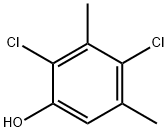
2,4-Dichloro-3,5-dimethylphenol, a polysubstituted phenolic derivative, exists as a white to pale yellow crystalline solid under ambient conditions and exhibits notable acidity and good chemical stability. As a key synthetic intermediate in fine chemistry, 2,4-dichloro-3,5-dimethylphenol is primarily employed in the production of multifunctional care agents and polymeric materials.
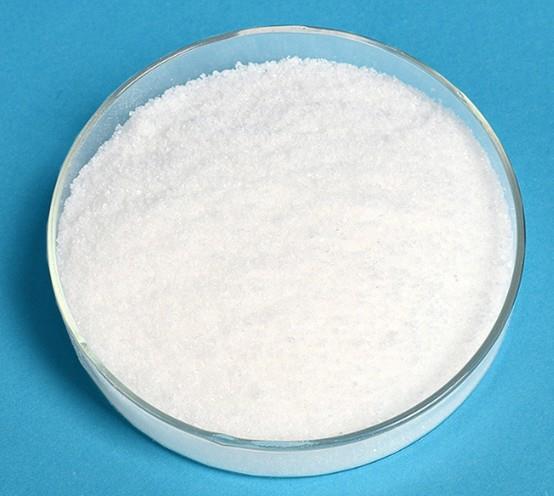
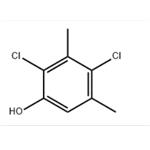
Figure1 Picture of 2,4-Dichloro-3,5-dimethylphenol
Synthesis
Phenol and a catalyst are added to water in a three-necked flask equipped with a gas inlet, a liquid inlet, and an open reflux condenser, after which gaseous HCl is introduced and dissolved to form an aqueous solution. The flask is then immersed in a preheated oil bath and stirred vigorously with a magnetic stirrer, while an aqueous H₂O₂ solution (30%) is added dropwise via a channel pump. After the reaction, the mixture is allowed to stand for 1.5 hours, resulting in the separation of an organic phase from the aqueous solution at the bottom. The organic phase is collected, diluted with acetonitrile, and prepared for quantitative analysis. Conversions and yields are determined by gas chromatography, with each experiment reproduced at least three times, and pure product 2,4-Dichloro-3,5-dimethylphenol is obtained by silica gel column chromatography using petroleum ether as the eluent. [1]
Biodegradation Study
Phenolic wastewater exhibits widespread sources and complex composition, containing both high concentrations of phenolic compounds and substantial salt content, making high-salinity industrial phenolic wastewater one of the most challenging types to treat. Using simulated saline wastewater containing 2,4-dichloro-3,5-dimethylphenol (DCMX) as the substrate, this study investigated the degradation capacity and patterns of bacterial strains toward DCMX under various conditions, as well as the characteristic effects of 2,4-Dichloro-3,5-dimethylphenol on the strains during the degradation process. The results indicated that the optimal pH for DCMX degradation by the strain was approximately 6.0, with the degradation rate initially increasing and then decreasing as pH rose. The degradation efficiency of DCMX gradually declined with increasing initial concentration and salinity. Analysis of infrared spectral changes confirmed the strain's ability to degrade 2,4-Dichloro-3,5-dimethylphenol. The study also revealed that the toxicity of DCMX affected the growth of strain YZ-11, altered the composition of cell membrane components, and compromised membrane integrity. Furthermore, DCMX toxicity influenced microbial enzyme activity to some extent. Over prolonged cultivation, significant changes were observed in microbial extracellular polymeric substances (EPS), with crude EPS content showing an initial increase followed by a decrease. This study represents the first isolation and identification of a halotolerant strain capable of withstanding high NaCl levels while efficiently degrading DCMX. The application of microbial technology effectively alleviated the inhibitory effect of high salt content on traditional biological treatment processes for phenolic wastewater. [2]
Synthesis of a Multifunctional Care Agent
Patents have reported the application of 2,4-dichloro-3,5-dimethylphenol in the production of multifunctional care agents, with a specific formulation characterized by the following composition: 1–3 parts cetyltrimethylammonium bromide, 1–3 parts stearyltrimethylammonium chloride, 5–15 parts turpentine oil, 5–15 parts dimethyl silicone oil, 1–3 parts polyethylene wax, 1–3 parts chlorinated paraffin, 3–5 parts C16–18 alcohol, 1–3 parts 2,4-dichloro-3,5-dimethylphenol, 0.1–0.5 parts ultraviolet absorber UV-326, 0.1–0.5 parts fragrance, and 60–70 parts water. This composition yields a white emulsion. 2,4-Dichloro-3,5-dimethylphenol contributes to multiple functionalities of the product, including sterilization, cleaning, stain removal, mold prevention, acid rain resistance, antistatic protection, and UV absorption, making it suitable for surface cleaning and polishing of automobiles, leather goods, furniture, and household appliances.
Crystallization and Purification
A study has reported a crystallization purification process for 2,4-dichloro-3,5-dimethylphenol, comprising the following steps: preparation of a reaction mixture with an active content of over 75%; neutralization by adjusting the pH to 9–10 using a 10% sodium carbonate solution; phase separation to obtain an oil phase A and an aqueous phase A; heat exchange to raise the temperature of oil phase A to 85–95°C; and crystallization to yield the final product. This process demonstrates smooth operation and simplicity, effectively reducing labor intensity while enabling the recycling of light components A, B, and crude fractions generated during crystallization. As a key component, 2,4-dichloro-3,5-dimethylphenol is purified without decomposition or environmental pollution, achieving high material utilization, avoiding organic tar waste, and ensuring an eco-friendly profile along with high product yield and reduced production costs. [3]
Reference
[1] Xin, Hongchuan; et al, Selective water-based oxychlorination of phenol with hydrogen peroxide catalyzed by manganous sulfate, RSC Advances (2017), 7(22), 13467-13472.
[2] Y. Zhou, Biodegradation of 2,4-Dichloro-3,5-dimethylphenol in High-Salt Wastewater, M.S. thesis, Hunan University, Changsha, China, 2018.
[3] J. Chen, A Crystallization Purification Process for 2,4-Dichloro-3,5-dimethylphenol, Chinese Patent: CN106977375A.
You may like
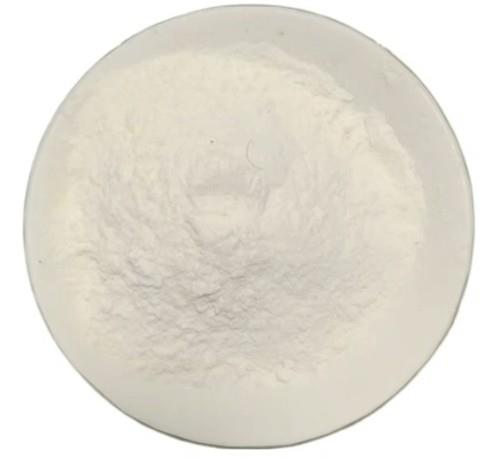
Lastest Price from 2,4-Dichloro-3,5-dimethylphenol manufacturers
US $0.00-0.00/kg2025-09-10
- CAS:
- 133-53-9
- Min. Order:
- 1kg
- Purity:
- 98%min
- Supply Ability:
- 20 tons
US $1.00/KG2025-08-30
- CAS:
- 133-53-9
- Min. Order:
- 1KG
- Purity:
- 98%
- Supply Ability:
- 20T