Propylene Oxide: Uses and Synthesis Methods
Uses
Propylene oxide (PO) holds a prominent position in global chemical manufacturing, with annual production exceeding 12.5 million tonnes. The majority of the PO is directed towards the synthesis of polyether polyols, propylene glycol, and a range of downstream chemical products. Approximately two-thirds of PO is channelled into the manufacture of polyether polyols, which serve as essential precursors for polyurethane foams, widely employed in the furniture and automotive seating applications.

Propylene glycol represents the second-largest application of PO, serving as a key feedstock in the production of unsaturated polyester resins, particularly in the textile and construction industries. Beyond these primary uses, PO-derived glycol ethers are used as solvents in the formulation of coatings, paints, resins, cleaning agents, and heat-transfer fluids.
At the speciality end of the downstream value chain, propylene oxide acts as a versatile synthetic building block for compounds such as allyl alcohol and propylene carbonate materials with cross-cutting relevance to the pharmaceutical, electronics, and advanced materials sectors.
Synthesis Methods
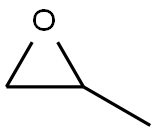
Currently, propylene is the main feedstock in the industrial production of PO, with several established methods that differ primarily in the type of oxidising agent and the oxidation steps involved. The critical step in all current methods is the epoxidation, in which an oxygen atom selectively binds into the carbon‑carbon double bond of propylene to form a hydrocarbon backbone with a three-membered epoxide ring, known as propylene oxide or propylene epoxide. It is also referred to as 1,2-epoxypropane, methyl oxirane, or propene oxide. Despite the maturity of the current commercial technologies, the sustained global growth in PO demand highlights the ongoing need for a sustainable manufacturing process that simultaneously offers high atom efficiency, minimal environmental impact, and economic viability, criteria that current industrial routes fulfil only partially. In this context, the direct epoxidation of propylene to PO with molecular oxygen (DEP) as the sole oxidant in a one-step reaction has long been regarded as the most atom-efficient and environmentally attractive route, and is considered a significant target in selective oxidation catalysis.
Reference
[1] Alsofiany, A. A., Yang, G., Chen, Z., Qiu, Y., Sun, D., Li, Q., & Huang, J. (2026). Direct epoxidation of propylene with molecular oxygen to propylene oxide: A systematic literature review of copper-based catalysts. Coordination Chemistry Reviews, 567, Article 218345. https://doi.org/10.1016/j.ccr.2026.218345
You may like
Related articles And Qustion

See also


Lastest Price from Propylene oxide manufacturers

$10.002025-04-21
- CAS:
- 75-56-9
- Min. Order:
- 1KG
- Purity:
- 99.5%
- Supply Ability:
- 100

$500.00-1500.002025-04-17
- CAS:
- 75-56-9
- Min. Order:
- 1000L
- Purity:
- 0.995
- Supply Ability:
- 50000MT per year