Potential anti-cancer effects of Protocatechuic acid (PCA)
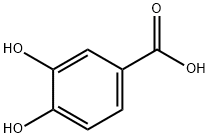
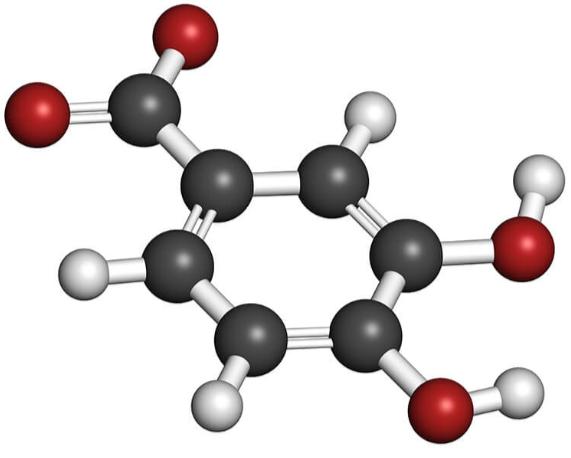
Protocatechuic acid (PCA), chemically 3, 4-dihydroxy benzoic acid, is having various health benefits namely antioxidant, antihyperglycemic, and antiinflammatory property. Recently, PCA has proved to reduce impairment in cognitive capacity of aged AD mice. This reduction occurs through decreasing biomarkers of AD and inflammation. Oxidative stress can lead to mitochondrial dysfunction and loss of mitochondrial membrane integrity, which is important mechanism in pathogenesis of various diseases. PCA exerts beneficial effects by reducing oxidative damage and mitochondrial dysfunction in the brain. PCA treatment has improved locomotor and motor activities in diabetic rats compared with untreated diabetic rats. Also, PCA treatment has decreased activity of enzymes acetylcholinesterase, caspase-3, inflammatory cytokines, and oxidative stress. Collectively, antioxidant, antiinflammatory, and antiapoptotic activities of PCA are responsible for its neuroprotective effect.1
Anticarcinogenic effect
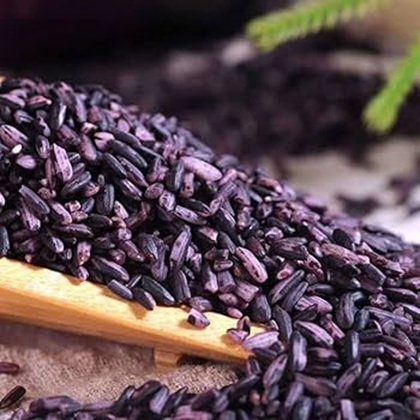
Based on chemical analysis, Rawiwan Wongpoomchai and colleagues found that protocatechuic acid is a major phenolic acid in purple rice extract. In addition, the inhibitory mechanism of protocatechuic acid against diethylnitrosamine-induced rat hepatocarcinogenesis was also evaluated.2
This study demonstrates for the first time that protocatechuic acid (4 mg kg−1 BW) is an active compound in the anticarcinogenic action of purple rice bran against the formation of DEN-induced hepatic preneoplastic lesions in rats. The preventive mechanisms were associated with xenobiotic-metabolizing enzymes (decreased CPR and increased GST enzyme activity). Additionally, PCA also exerted anti-inflammatory activity (downregulating mRNA levels of the pro-inflammatory cytokines TNF-α and IL-1β). Moreover, it suppressed hepatic cell proliferation by decreasing Cyclin D1. PCA also induced hepatic apoptosis via upregulation of P53 and Bad and downregulation of Bcl-xl mRNA levels. Notably, the effective dose of PCA, 4 mg kg−1 BW, corresponds to a human-equivalent dose (HED) of 39 mg/day39, which is greater than the daily recommended dose of PCA in food, approximately 2–10 mg g−1 21. However, the cancer chemopreventive dose of PCA is only estimated within a critical period of carcinogen exposure. PCA is one of the active metabolites of dietary anthocyanins40; therefore, the regular consumption of anthocyanin-rich foods such as purple rice and other colored vegetables and fruits should be recommended. This knowledge might provide an important implication for the use of protocatechuic acid as a potential anticancer agent in humans. Nevertheless, clinical trials testing this compound need to be performed.
References
[1] Therapeutic benefits of phenolic acids in peripheral neuropathy. doi:10.1016/B978-0-323-90052-2.00036-6
[2] Punvittayagul, C., Luangsuphabool, T. & Wongpoomchai, R. Protocatechuic acid as a potent anticarcinogenic compound in purple rice bran against diethylnitrosamine-initiated rat hepatocarcinogenesis. Sci Rep 12, 10548 (2022).
You may like
Related articles And Qustion
See also

Lastest Price from Protocatechuic acid manufacturers
US $0.00/KG2025-04-21
- CAS:
- 99-50-3
- Min. Order:
- 1KG
- Purity:
- 99.0%
- Supply Ability:
- 500kg/month
US $0.00/Kg/Drum2025-04-21
- CAS:
- 99-50-3
- Min. Order:
- 1KG
- Purity:
- 99%
- Supply Ability:
- 200mt/year