How toxic is chlorobenzene?
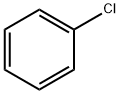
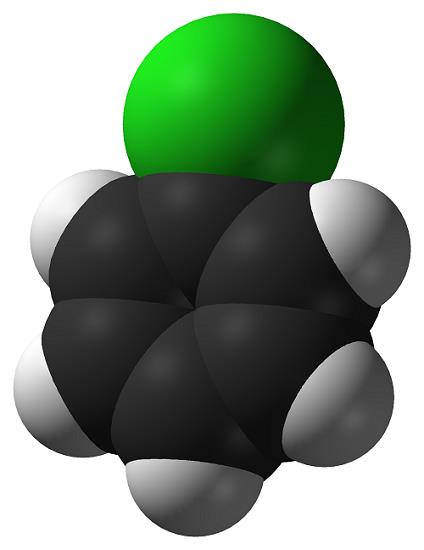
Chlorobenzene, also known as monochlorobenzene, is an important organic chemical raw material. Physically, it is a colorless, transparent, volatile liquid with a bitter almond odor, insoluble in water but soluble in most organic solvents such as ethanol and ether. In terms of safety, chlorobenzene is a flammable liquid; its vapor can form explosive mixtures with air. It is also toxic to humans; inhalation or skin contact can cause depression and anesthesia of the central nervous system and is irritating to the skin and mucous membranes.

Toxic Effects and Mechanism of Action
The main health hazards of chlorobenzene to humans are concentrated in the central nervous system. When the exposure concentration reaches 60 ml/m³, subjects may experience symptoms such as drowsiness, headache, or throbbing eye pain; in some cases, fatigue, nausea, or lethargy may also occur. In animal experiments, rats exposed to long-term inhalation of chlorobenzene showed pathological changes in the liver and kidneys, which were particularly pronounced at concentrations of 150 ml/m³ and above. Furthermore, male rats given long-term oral administration showed a significantly increased incidence of liver tumor nodules in the highest dose group (120 mg/kg body weight).
Regarding the mechanism of action, studies have shown that chlorobenzene can induce the release of inflammatory mediators from lung cells in vitro, and its induced oxidative stress response plays a key role in triggering inflammation. Chlorobenzene promotes the release of monocyte chemoattractant protein-1 (MCP-1) by activating the p38 MAPK and NF-κB signaling pathways, while simultaneously reducing intracellular glutathione (GSH) levels. This indicates that aromatic compounds such as chlorobenzene have the potential to induce inflammatory responses in cultured lung cells through oxidative stress.
Toxicokinetics and Metabolism
Chlorobenzene can be absorbed by humans and animals through inhalation or ingestion. Its metabolism primarily begins with oxidation, generating intermediates such as chlorobenzene-3,4-epoxide. Compared to rodents, humans inactivate epoxides more rapidly via epoxide hydrolases, meaning that under the same exposure conditions, the epoxide load in humans may be lower than in rodents, who may be more sensitive to the toxic effects of epoxides. Chlorobenzene is eventually excreted in urine as a metabolite, among which 4-chlorocatechol can be used as a biomarker.
Reference
1.Hartwig, A. and MAK Commission, 2025. Chlorobenzene. The MAK Collection for Occupational Health and Safety, 4(4), pp.1893-1909.
Related articles And Qustion


Lastest Price from Chlorobenzene manufacturers
US $19.90/kg2025-04-21
- CAS:
- 108-90-7
- Min. Order:
- 1kg
- Purity:
- 99%
- Supply Ability:
- 10 mt
US $0.00/kg2024-11-07
- CAS:
- 108-90-7
- Min. Order:
- 1kg
- Purity:
- 99%
- Supply Ability:
- 10000