Ezetimibe: Indications, Interactions and Side Effects
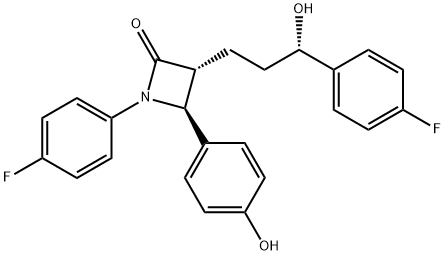
Ezetimibe (brand name Zetia) is a prescription medicine that helps lower the amount of low-density lipoprotein or LDL ("bad" cholesterol) in your blood. It does this by keeping your small intestine from absorbing cholesterol. It is used to treat high blood cholesterol and certain other lipid abnormalities.

Indications
Ezetimibe is a dyslipidemic agent used to treat people with hyperlipidemia. It was FDA-approved in 2002. Ezetimibe is the most commonly used nonstatin agent, which lowers LDL-C levels by 13% to 20%[1]. Ezetimibe is an inhibitor of intestinal cholesterol absorption. It is indicated to reduce total cholesterol, low-density lipoprotein (LDL), apolipoprotein B (apo B), and non-high-density lipoprotein (HDL) in patients with primary hyperlipidemia, mixed hyperlipidemia, familial hypercholesterolemia (HoFH), and homozygous sitosterolemia (phytosterolemia).
Interactions
Some medications may interact with ezetimibe and affect their effectiveness or increase the risk of side-effects. However, these medications may also be important for your treatment. Inform your healthcare professional of the medications you are currently taking. Examples include: Other cholesterol-lowering medications (e.g. cholestyramine, gemfibrozil, fenofibrate).
Side Effects
One of the more common side effects associated with Ezetimibe is gastrointestinal discomfort. Patients may experience symptoms such as stomach pain, diarrhea, or gas. These symptoms are usually mild and tend to diminish as the body adjusts to the medication. However, if gastrointestinal issues persist or become severe, it is important to consult a healthcare provider for further evaluation and management.
Muscle pain and weakness are other side effects that some individuals may experience while taking Ezetimibe. These symptoms can be similar to those caused by other cholesterol-lowering medications, particularly statins. If muscle pain or weakness occurs, it is crucial to report these symptoms to a healthcare provider, as they can be signs of a more serious condition known as myopathy or, in rare cases, rhabdomyolysis, which involves severe muscle damage.
Reference
[1] Guideline on the Management of Blood Cholesterol: Executive Summary: A Report of the American College of Cardiology/American Heart Association Task Force on Clinical Practice Guidelines. J Am Coll Cardiol. 2019 Jun 25;73(24):3168-3209.
You may like
Related articles And Qustion
See also


Lastest Price from Ezetimibe manufacturers

2025-12-29
- CAS:
- 163222-33-1
- Min. Order:
- 1kg
- Purity:
- 98%
- Supply Ability:
- 1000kg

2025-05-06
- CAS:
- 163222-33-1
- Min. Order:
- 1KG
- Purity:
- 0.99
- Supply Ability:
- 1000KG