Does Activated Carbon Remove Smells?
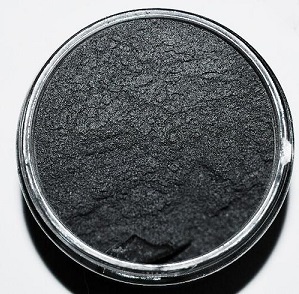
Activated carbon, also called activated charcoal, is a porous carbonaceous material produced from carbon-rich precursors such as coconut shells, coal, wood, or peat through carbonization followed by physical or chemical activation. The activation process develops an extensive internal pore network, yielding specific surface areas commonly ranging from 500 to 1,500 m²/g. This high porosity, combined with a largely non-polar surface, gives activated carbon strong affinity for a broad range of organic and inorganic compounds. Its most recognized application is odor control, where it captures volatile molecules responsible for unpleasant smells.

Applications
Activated carbon is used across air purification, water treatment, industrial gas processing, and personal care products. In air systems, it is incorporated into HVAC filters, room purifiers, range hoods, and respirator cartridges to remove volatile organic compounds (VOCs), cooking fumes, and industrial odors. In water treatment, it removes taste- and odor-causing compounds such as geosmin and 2-methylisoborneol, as well as chlorine and certain organic contaminants. Smaller applications include refrigerator deodorizers, shoe inserts, and odor-absorbing bags. These uses all rely on the same underlying mechanism: adsorption of odor-causing molecules onto the carbon surface.
Mechanism
Odor removal by activated carbon is primarily a physical adsorption process driven by van der Waals forces and London dispersion forces. Odor molecules, typically volatile organic compounds with moderate to high molecular weight, diffuse into the pore network and adhere to the carbon surface. The non-polar nature of activated carbon favors adsorption of non-polar and weakly polar compounds, such as hydrocarbons, terpenes, and many sulfur- and nitrogen-containing odorants. The effectiveness depends on pore size distribution: micropores (less than 2 nm) provide most of the surface area for small molecules, while mesopores (2–50 nm) facilitate transport and accommodate larger molecules. In some cases, impregnated activated carbon uses chemical additives such as potassium permanganate or phosphoric acid to add chemisorption capacity for specific compounds like formaldehyde or ammonia.
Effectiveness
Activated carbon is effective against a wide range of common odors, including those from cooking, smoke, pets, mold, solvents, and decaying organic matter. Its performance is influenced by contact time, airflow rate, relative humidity, temperature, and the molecular properties of the odorant. Higher carbon loading and longer residence times generally improve removal efficiency. However, activated carbon has finite capacity; once the adsorption sites become saturated, breakthrough occurs and odors pass through. This means filters and deodorizing products must be replaced or regenerated periodically.
Limitations
Activated carbon is not universally effective. It performs poorly against small, highly polar, or low-boiling-point molecules such as formaldehyde, ammonia, hydrogen sulfide at low concentrations, and some low-molecular-weight alcohols, unless the carbon is specifically impregnated or modified. High humidity can also reduce capacity because water molecules compete for adsorption sites, although this effect varies by carbon type. Additionally, activated carbon does not destroy odor molecules; it only stores them. Under changing temperature or humidity conditions, adsorbed compounds may desorb, releasing odors back into the environment.
Activated carbon does remove smells, but its effectiveness is selective and conditional. It reliably captures a broad spectrum of organic odorants through physical adsorption, making it a standard material in air and water odor control. However, its performance is limited by pore structure, saturation capacity, humidity, and the chemical nature of the target compound. For optimal results, the carbon type, loading, and replacement schedule must be matched to the specific odor source and operating conditions.
You may like
Related articles And Qustion
See also


Lastest Price from Activated carbon manufacturers

2026-07-30
- CAS:
- 64365-11-3
- Min. Order:
- 1kg
- Purity:
- 99%
- Supply Ability:
- 80 T/Month

2026-06-15
- CAS:
- 64365-11-3
- Min. Order:
- 1kg
- Purity:
- 98%
- Supply Ability:
- 1000