

1/3
GNE抗体;GNE Antibody—艾普蒂
Rabbit Monoclonal GNE Antibody
询价
20μl
起订
50μl
起订
100μl
起订
上海 更新日期:2025-05-30
产品详情:
- 中文名称:
- GNE抗体
- 英文名称:
- Rabbit Monoclonal GNE Antibody
- 品牌:
- 艾普蒂
- 产地:
- 武汉
- 保存条件:
- Stored at -20°C for 8253 year. Avoid repeated freeze / thaw cycles.
- 产品类别:
- 抗体
- 重组:
- 否
- 应用:
- WB: IHC-P: IHC-F: ICC/IF: IP:FC:ChIP: ELISA
- 种属反应性:
- Human,Mouse,Rat
- 宿主:
- Rabbit
- 偶联物:
- 无
- 靶点:
- GNE

公司简介
生物技术有限公司
| 成立日期 | (2年) |
| 注册资本 | 20万人民币 |
| 员工人数 | 1-10人 |
| 年营业额 | ¥ 100万以内 |
| 经营模式 | 贸易,工厂,试剂,定制,服务 |
| 主营行业 | 抗体,植物生物技术,细胞培养,蛋白组学 |
GNE抗体相关厂家报价
-

- GNE-493
- 南京益冉生物医药科技有限公司 VIP
- 2026-05-07
- 询价
-
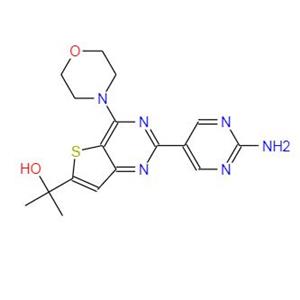
- GNE-493
- 郑州艾克姆化工有限公司 VIP
- 2026-05-13
- 询价
-
- GNE 477—1032754-81-6
- 湖北魏氏化学试剂股份有限公司 VIP
- 2026-04-15
- 询价
