Application Fields of Propylene Glycol Diacetate(PGDA)
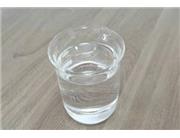
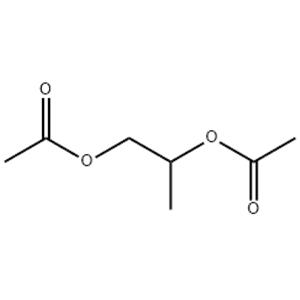
Propylene glycol diacetate(CAS No.627-82-7),also known as 1,2-propanediol diacetate or PGDA,is a colorless,odorless ester derived from propylene glycol and acetic acid.It is valued for its excellent solvency,low volatility,and favorable environmental and safety profiles.Below are its primary application areas across industries:
1.Paints,Coatings,and Inks
Solvent and Coalescing Agent:
Widely used in water-based and solvent-based paint/coating formulations(e.g.,acrylic,epoxy,and polyurethane systems)to dissolve resins and improve film formation.
Acts as a coalescing agent,enhancing the fusion of polymer particles in latex paints to form smooth,crack-free coatings with improved adhesion.
Printing Inks:
Used in flexographic,gravure,and offset inks for packaging(e.g.,plastics,paper),where its low odor and slow evaporation ensure consistent ink transfer and drying properties.
2.Textile and Leather Processing
Dyeing and Finishing:
Solubilizes disperse dyes in textile dyeing processes,particularly for synthetic fibers(e.g.,polyester,nylon),ensuring uniform color penetration and fastness.
Leather Tanning and Coating:
Enhances the compatibility of tanning agents(e.g.,vegetable tannins,synthetic resins)with leather fibers,improving softness and water resistance.
Used in leather coatings to dissolve polymers and pigments,providing a smooth,glossy finish.
3.Plastics and Polymer Industry
Plasticizers and Additives:
Acts as a temporary plasticizer in PVC and polyolefin processing,reducing melt viscosity during extrusion or injection molding while maintaining product flexibility.
Improves the processability of hot-melt adhesives and sealants by adjusting curing rates and bond strength.
Reactive Diluents:
Dilutes high-viscosity resins(e.g.,epoxy resins)in composite materials,adhesives,and coatings,reducing application viscosity without compromising mechanical properties.
4.Pharmaceuticals and Cosmetics
Pharmaceutical Solvents:
Used as a non-toxic solvent or co-solvent in oral medications,topical creams,and inhalants due to its low toxicity and compatibility with active pharmaceutical ingredients(APIs).
Cosmetic Formulations:
Incorporates into perfumes,lotions,and hair care products as a fragrance solubilizer and emollient,enhancing product stability and skin feel.
5.Agricultural Chemicals
Pesticide and Herbicide Formulations:
Solubilizes lipophilic active ingredients(e.g.,pyrethroids,triazines)in emulsifiable concentrates(ECs)and microencapsulated formulations,ensuring uniform dispersion in water.
Fertilizer Additives:
Improves the miscibility of liquid fertilizers with water,reducing sedimentation and enhancing nutrient absorption by plants.
6.Electronics and Semiconductor Manufacturing
Cleaning Solvent:
Used in precision cleaning of electronic components(e.g.,PCBs,sensors)to remove flux residues,oils,and particulate contaminants,meeting strict purity requirements for semiconductor fabrication.
Solvent for Conductive Pastes:
Dissolves metal nanoparticles(e.g.,silver,copper)in conductive inks for printed electronics,such as flexible circuits and touch screens.
7.Industrial Cleaning and Degreasing
Specialty Cleaners:
Formulated into industrial degreasers and precision cleaners for metalworking,aerospace,and automotive industries,effectively removing grease,oils,and waxes from surfaces without leaving residues.
Adhesive Removers:
Used in formulations to dissolve cured adhesives(e.g.,epoxy,acrylic)during repair or rework processes.
8.Food and Flavor Industry
Food Additives:
Approved as a food-grade solvent and flavor carrier(e.g.,in artificial flavors,essences)under regulatory standards(e.g.,FDA,EFSA),due to its GRAS(Generally Recognized As Safe)status.
9.Renewable Energy and Battery Production
Lithium-Ion Battery Manufacturing:
Explored as a co-solvent in electrolyte formulations to improve ion conductivity and compatibility with lithium salts,though less common than glycol ethers.
Key Properties Enabling Its Use:
Low Toxicity:Generally considered safe for industrial and consumer applications(always follow SDS guidelines).
High Boiling Point(~230°C):Suitable for high-temperature processes with minimal evaporation.
Good Solvency:Dissolves a wide range of resins,polymers,and organic compounds.
Environmental Friendliness:Biodegradable and low in volatile organic compounds(VOCs),aligning with green chemistry standards.
Safety and Handling:PGDA is non-flammable and has low skin/eye irritation potential,but proper ventilation and PPE(gloves,goggles)are recommended for prolonged industrial use.Store in cool,dry conditions away from strong oxidizers.



 China
China