Items | Specifications | Results |
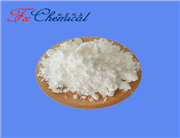
Appearance | White powder | White powder |
Water(wt%) | ≤3.0 | 2.52 |
aluminum content(wt%) | 4.0-5.2 | 4.58 |
Free acid (%) | ≤8.0 | 5.80 |
Melting Point(℃) | 165±10 | 170 |
Fineness( Pass through a 200-mesh sieve) | ≥98 | 98 |
Conclusion | The product conforms to the above specifications. |
Hydroxyaluminum Distearate: Overview
Hydroxyaluminum distearate is a complex salt or soap formed from aluminum, stearic acid (a common fatty acid), and a hydroxyl group. Its chemical structure can be represented as a coordination complex where an aluminum atom with a hydroxide group is bound to two stearate chains.
It is part of a broader class of organoaluminum compounds and metallic stearates, which are widely used for their unique physical properties.
Key Properties:
Appearance: Typically a fine, white powder.
Texture: It has hydrophobic (water-repellent) and lipophilic (oil-attracting) characteristics.
Function: It acts primarily as a:
Thickener / Gelling Agent: Increases viscosity and creates gel structures in oils and non-aqueous solvents.
Stabilizer: Helps prevent separation of ingredients.
Water Repellent: Forms a barrier against moisture.
Lubricant & Anti-caking Agent: Improves flow and prevents clumping in powders.
Primary Uses and Applications:
1. Cosmetics & Personal Care (Most Common Use)
This is its major application, valued for its ability to create elegant, non-greasy textures.
Decorative Cosmetics: Crucial in lipsticks, lip glosses, and mascaras. It helps suspend pigments, provides structure ("stick" form), imparts a smooth application, and adds water resistance.
Antiperspirants & Deodorants: Functions as a thickening/gelling agent in stick and cream formulations. It helps suspend active ingredients (like aluminum chlorohydrate) and controls the product's consistency and release.
Color Cosmetics: Used in foundations, eyeshadows, and blushes to improve texture, pigment dispersion, and wear.
2. Pharmaceuticals
Topical Ointments & Creams: Used as a thickening agent for hydrophobic bases (e.g., petrolatum-based products), helping to create a stable, spreadable consistency.
Tablet Manufacturing: Can act as a lubricant and anti-adherent in the tablet pressing process, though other metallic stearates (like magnesium stearate) are more common.
3. Industrial & Specialty Applications
Greases and Lubricants: Acts as a thickener to produce consistent, temperature-stable grease.
Paints, Inks, and Coatings: Functions as a flatting agent (to reduce gloss), suspending agent, and helps control rheology.
Plastics: May be used as an acid scavenger and lubricant during processing.
Safety and Regulatory Status:
Cosmetic Use: It is generally recognized as safe for use in cosmetics within specified concentration limits. Key regulatory bodies like the FDA (USA) and the SCCS (European Union) have reviewed aluminum compounds in cosmetics.
Aluminum Concerns: As with all aluminum-containing compounds applied to skin, there has been scientific scrutiny regarding potential systemic absorption and long-term health effects. Current consensus from major health agencies (like the SCCS) is that the use of non-aerosol aluminum compounds in cosmetics at regulated levels is considered safe. However, it remains a topic of ongoing review and some consumers prefer aluminum-free products.
Pharmaceutical Use: It must meet pharmacopeial standards (e.g., USP-NF) for purity and quality when used in drug products.
Summary:
Hydroxyaluminum distearate is a versatile organoaluminum compound used primarily as a thickening, gelling, and stabilizing agent. Its dominant application is in the cosmetics industry, where it is essential for creating the texture and performance of products like lipsticks, antiperspirants, and color makeup. It also finds niche uses in pharmaceuticals and industrial formulations. While considered safe under current regulations, its aluminum content places it within the broader discussion on the safety of aluminum in personal care products.


 China
China