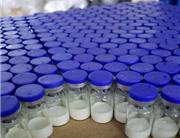
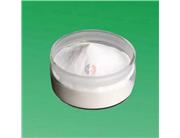
Overview Delta Sleep-Inducing Peptide (DSIP) is a naturally occurring nonapeptide first isolated in 1974 from the cerebral venous blood of sleep‑induced rabbits. It occurs in both free and bound forms in the hypothalamus, limbic system, pituitary, and various peripheral tissues, and is reported to cross the blood–brain barrier more readily than many neuropeptides. Identifiers: CAS 62568‑57‑4; molecular formula C35H48N10O15; molecular weight 848.82 g/mol12.
Key characteristics
Sequence: Trp‑Ala‑Gly‑Gly‑Asp‑Ala‑Ser‑Gly‑Glu (N‑ to C‑terminus).
Physical form: typically supplied as a lyophilized powder for research use.
Solubility: soluble in water at approximately 0.5 mg/mL.
Storage: recommended at −20°C to maintain stability.
Purity: commonly available at ≥99% (research grade)12.
Reported functions and research areas
Sleep modulation: promotes slow‑wave (delta) EEG activity and may help normalize disturbed sleep patterns; reported to facilitate deeper sleep without necessarily accelerating sleep onset.
Stress and endocrine modulation: described as stress‑protective, with reported effects such as decreasing ACTH release, stimulating LH secretion, and inhibiting somatostatin secretion.
Analgesic potential: investigated as an adjunct in chronic pain management.
Neuroprotection and metabolism: proposed neuroprotective and antioxidant activities; some studies suggest benefits in alcohol/opioid withdrawal contexts.
Note: preclinical and early human studies are limited; mechanisms may involve modulation of GABAergic, glutamatergic, and NMDA pathways12910.
Applications and supply
Applications: intenor **scientific research*sleep, neuroendocrinology, and stress physiology; not for human or veterinary use.
Typical supply: available as research‑grade lyophilized peptide with common purity ≥99%, minimal order quantities from 10 mg up to multi‑kilogram scales, and bulk supply capacity up to 20 tons depending on the manufacturer.
Logistics:e at −20°C; handle under appropriate laboratory conditions12.
Safety and compliance This product is for research purposes only and must not be used for clinical or diagnostic applications. It has not been evaluated or approved by regulatory authorities for human consumption. Always comply with local laws, institutional guidelines, and safety data sheet (SDS) requirements when handling this material.




 China
China