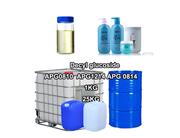
What is Decyl Glucoside?
First, it's helpful to know what it is. Decyl glucoside is a non-ionic surfactant derived from renewable resources: glucose (from corn or potato starch) and decanol (a fatty alcohol from coconut or palm kernel oil).
It is part of a family known as alkyl polyglucosides (APGs), which are celebrated in the chemical industry for being:
Because of these properties, it's a cornerstone ingredient in "green," "natural," and "eco-friendly" product formulations.
Primary Applications of Decyl Glucoside
Its main function is as a surfactant—a compound that lowers the surface tension between liquids or between a liquid and a solid. This makes it excellent for cleaning because it allows water to wet surfaces more easily and helps lift away grease and dirt.
Here are its key application areas:
1. Personal Care & Cosmetics
This is one of its most common uses, especially in products marketed for sensitive skin.
Shampoos & Body Washes: Its excellent foaming properties create a rich, dense lather that is non-drying and very mild. It doesn't strip the skin and hair of their natural oils harshly, making it ideal for gentle, everyday formulas and for baby shampoos.
Facial Cleansers: Its extreme mildness makes it perfect for face washes, even for those with sensitive, eczema-prone, or rosacea-affected skin. It cleanses effectively without disrupting the skin's natural barrier.
Liquid Soaps & Hand Washes: Used as the primary surfactant in many natural and organic hand soaps. It is effective yet gentle on the hands with repeated use.
Toothpaste: Sometimes used in natural toothpaste as a mild foaming agent.
Make-up Removers: Helps to gently emulsify and lift away makeup and sunscreen without requiring harsh rubbing.
2. Household & Industrial Cleaning
Its effectiveness and eco-friendly profile make it a favorite in this sector.
Dish Soaps (Handwashing): A key ingredient in many eco-friendly dishwashing liquids. It cuts through grease effectively on dishes while being gentle on the skin.
Surface Cleaners: Used in all-purpose cleaners for kitchens, bathrooms, and floors. It degreases well and is safe to use on most surfaces.
Laundry Detergents: Acts as a primary surfactant in many natural laundry detergents, helping to lift dirt and oils from fabrics.
Specialty Cleaners: Found in products like fruit and vegetable washes because it is effective and rinses off completely with no toxic residue.
3. Industrial & Formulation Applications
Beyond the end product, it's valued for its technical properties.
Emulsifier: It helps to create stable mixtures of oil and water, which is crucial for lotions, creams, and certain liquid cleaning concentrates.
Foam Booster/Stabilizer: It is often used in combination with other surfactants to enhance and stabilize foam.
Solubilizer: It helps to incorporate fragrances and essential oils into water-based formulations.


 China
China