Aniline Blue Cas 28631-66-5
Specification
Items | Specification |
Product name | Aniline Blue |
CAS# | 28631-66-5 |
Appearance | Dark brown to purple crystalline powder |
Purity | ≥98% |
Molecular Formula | C32H27N3O9S3.2Na |
Molecular weight | 737.73 |
EINECS | 249-113-9 |
Welcome to contact with us to get more information.
Aniline Blue is a mixture of synthetic dyes belonging to the triphenylmethane group. It's not a single compound but is primarily composed of water-soluble triarylmethane dyes like acid fuchsin and methyl blue. Its most famous and important use is as a biological stain in microscopy, particularly for plant and animal tissues.
The name "Aniline Blue" can be a bit confusing because it refers to two main types with different applications:
Water-Soluble Aniline Blue (WSAB): Used primarily in biological staining.
Spirit-Soluble Aniline Blue (Alcohol-Soluble): Used historically in the textile industry.
1. Chemical Composition and Types
Despite the name, modern Aniline Blue is not derived directly from aniline but is a complex mixture of related compounds. The two main types are:
Water-Soluble Aniline Blue (WSAB): This is a mixture of sulfonated triphenylmethane dyes. The most common components are:
Methyl Blue: A major constituent, providing a blue color.
Water Blue: Similar to methyl blue.
Acid Fuchsin (Rosaniline Hydrochloride): A red/pink dye that is also part of the mixture. The presence of this red dye is crucial for its most famous staining application.
Spirit-Soluble Aniline Blue: This form is soluble in alcohol but not in water. It was historically used as a dye for wood, silk, and leather but is less common today.
2. Primary Use: Biological Staining in Microscopy
This is the most significant application of Aniline Blue today. It is a cornerstone technique in plant biology and histology.
A. Plant Biology: The "Aniline Blue Stain" for Callose
The most famous use is to stain callose, a polysaccharide found in plant tissues.
How it works: The stain binds specifically to (1→3)-β-D-glucans, which is the primary component of callose. Under a fluorescence microscope, the callose stained with Aniline Blue fluoresces a bright, brilliant yellow.
What it's used for:
Visualizing Pollen Tubes: Callose is a major component of pollen tube walls. Staining with Aniline Blue allows scientists to easily see and study pollen germination and growth.
Identifying Sieve Plates: Sieve plates in the phloem (the plant's food-conducting tissue) are plugged with callose. This stain makes them visible.
Studying Plant Stress and Defense: Plants deposit callose at sites of wounding or pathogen attack (e.g., fungal infections) to block the invader. Aniline Blue staining is used to visualize these defense responses.
The staining solution used for this is often called "Decolorized Aniline Blue" or "Aniline Blue Fluorochrome." The "decolorization" refers to the chemical preparation that enhances its specificity for callose and its fluorescent properties.
B. Histology: Mallory's Trichrome Stain
In animal tissue histology, Water-Soluble Aniline Blue is a key component of Mallory's Trichrome Stain and similar connective tissue stains.
How it works: This is a multi-step staining procedure. Different dyes bind to different tissue components.
What it stains: Aniline Blue is the final dye in the sequence and specifically stains collagen (a key protein in connective tissue like tendons, ligaments, and skin) a brilliant blue color.
Result: This allows pathologists and researchers to easily distinguish between:
Blue: Collagen fibers and mucus
Red: Muscle fibers, cytoplasm, and erythrocytes (red blood cells)
Orange/Red: Nuclei (if a prior step like hematoxylin is used)
This contrast is invaluable for diagnosing diseases and studying tissue structure.
3. Other Uses
Textile Dyeing: Its original use was as a blue dye for wool and silk, though it has been largely replaced by more stable and colorfast dyes.
Ink Production: It has been used in the manufacture of blue inks.
Key Properties Summary:
| Property | Description |
|---|
| Chemical Class | Mixture of sulfonated triphenylmethane dyes |
| Solubility | Water-Soluble (WSAB) or Alcohol-Soluble |
| Color | Blue (but often contains a red component, Acid Fuchsin) |
| Key Application | Biological Staining: |
| - Fluorescent stain for callose in plants |
| - Acid dye for collagen in animal tissues (Mallory's stain) |
| Microscopy | Used in both brightfield and fluorescence microscopy |
In conclusion, while its name hints at an old-fashioned textile dye, Aniline Blue's true modern importance lies in its role as a vital tool for scientists to visualize critical biological structures like plant callose and animal collagen.
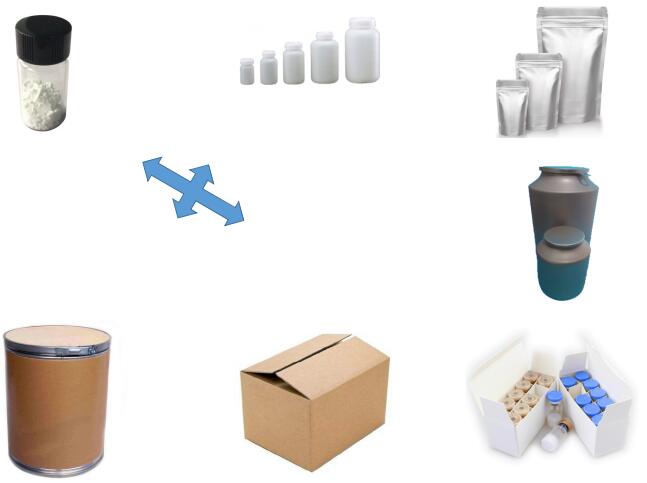
Packages
Delivery

Payment term
* Wire Transfer/Telegraphic Transfer
* Western Union
* MoneyGram
* L/C
Contact information
Spring Zhang
Email: export@fortunachem.com
Skype: Fortunachem201304
QQ:3169620873
Tel: +86-27-59207892
Website: www.fortunachem.com




 China
China


