Specification
Items | Specifications | Results |
Appearance | It is powder and free of impurities | It is powder and free of impurities |
colour | It should be orange to orange red | orange to orange red |
Odor | It should have a special smell | special smell |
grain diameter | 90% pass through a 60-mesh sieve | conforms |
Total carotenoids | ≥20.0% | 21.6% |
lutein | ≥20.0% | 20.3% |
zeaxanthin | ≤1.7% | 1.1% |
Loss on Drying | ≤5.0% | 1.4% |
ash content | ≤1.0% | 0.33% |
n-hexane | ≤10mg/kg | not detected |
Lead (expressed as Pb) | ≤1mg/kg | not detected |
Total arsenic (As) | ≤1mg/kg | not detected |
Total Plate Count | ≤3x 10³cfu/g | <10cfu/g |
Yeast and Mold | ≤50cfu/g | <10cfu/g |
E.coli | ≤10cfu/g | <10cfu/g |
staphylococcus aureus | ≤100cfu/g | <10cfu/g |
Salmonella | Negative/25g | Negative |
Conclusion | The product by inspection accords with the standard of GB 26405-2011. |
Welcome to contact us to get complete COA.
Xanthophyll is a class of yellow to red pigments found widely in nature, belonging to the larger, well-known family of organic compounds called carotenoids. The name itself comes from the Greek words xanthos (yellow) and phyllon (leaf), highlighting its common occurrence in plant leaves. What chemically distinguishes xanthophylls from other carotenoids like beta-carotene (which is an orange carotene) is the presence of oxygen atoms in their molecular structure. This oxygen, often in the form of hydroxyl, methoxy, or epoxy groups, makes xanthophylls slightly more polar and influences their specific functions in organisms.
Functions in Nature
The role of xanthophylls extends far beyond simply providing color:
Accessory Pigments in Photosynthesis: In plants, algae, and certain bacteria, xanthophylls are embedded in the chloroplasts alongside chlorophyll. They absorb light energy in wavelength ranges that chlorophyll cannot, particularly in the blue-green spectrum, and transfer this energy to chlorophyll for use in photosynthesis. This significantly expands the range of light that can drive this vital process.
Photoprotection (Non-Photochemical Quenching): This is a critical function. When a plant absorbs too much sunlight—more than it can use for photosynthesis—the excess energy can create harmful reactive oxygen species, damaging the plant's cellular structures. Xanthophylls, specifically violaxanthin, antheraxanthin, and zeaxanthin, undergo a reversible biochemical cycle (the xanthophyll cycle) to safely dissipate this excess energy as heat, acting as a "safety valve."
Coloration: Xanthophylls provide the characteristic yellow and red colours in many natural features, such as autumn leaves (when chlorophyll breaks down, revealing the underlying xanthophylls and carotenes), corn, egg yolks, and the feathers of certain bird species like canaries and flamingos.
Importance for Human Health
For humans, the most significant xanthophylls are lutein and zeaxanthin, often called "macular pigments." They are not synthesized by the human body and must be obtained through diet.
Macular Protection: They selectively accumulate in the macula lutea (the "yellow spot") of the retina, the part responsible for sharp, central vision. Here, they serve two crucial roles:
Blue Light Filtration: They act as internal sunglasses, filtering out potentially damaging high-energy blue light before it can hit the underlying retinal cells.
Antioxidant Activity: They neutralize free radicals generated by light exposure, protecting the delicate retinal tissues from oxidative stress.
Reducing Disease Risk: A diet rich in lutein and zeaxanthin is strongly associated with a reduced risk of Age-related Macular Degeneration (AMD) and cataracts, two leading causes of vision loss.
Dietary Sources: Excellent sources of these beneficial xanthophylls include dark leafy greens (spinach, kale, collard greens), corn, egg yolks, pistachios, and goji berries.
Package

Shipping

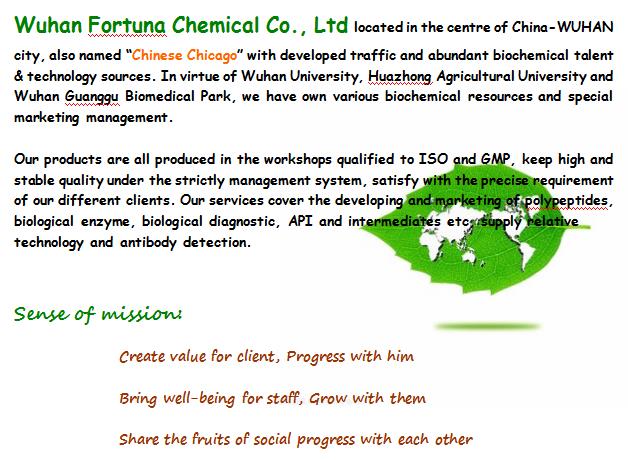
Company informations
Contact information





 China
China