Etocrilene Cas 5232-99-5
Specification
Items | Specification | Result |
Appearance | White powder | Conform |
Assay |
≥99%
| Conform |
Welcome to contact with us to get more information.
Ethyl 2-cyano-3,3-diphenylacrylate is the chemical name for a widely used synthetic organic compound better known as Octocrylene. It is a primary ingredient in sunscreens and other skincare products, functioning as a UV filter.
Detailed Breakdown
1. Chemical Structure and Function
Role: It is a liquid chemical UV filter that primarily absorbs ultraviolet light in the UVB range (290-320 nm) and some of the short-wave UVA-II range (320-350 nm).
How it Works: As a chemical sunscreen agent, it works by absorbing UV photons. Its molecular structure contains a conjugated system (alternating single and double bonds) that allows it to take in UV radiation and release the energy as harmless, lower-energy heat.
2. Key Properties and Benefits
Photostability: This is one of its most valued traits. Octocrylene does not degrade significantly when exposed to sunlight, meaning it provides consistent protection throughout sun exposure.
Synergistic Booster: It helps stabilize other, more fragile UV filters. Most notably, it significantly improves the photostability of avobenzone, a common UVA filter that would otherwise break down quickly in the sun.
Emollient Properties: It is an oily liquid, which gives sunscreens a characteristic smooth, spreadable texture and water-resistant film. However, this can also lead to a greasy feel on the skin.
Water Resistance: Its lipophilic (oil-loving) nature helps formulations adhere to the skin, providing good water resistance.
3. Common Uses
Its primary and almost exclusive use is in broad-spectrum sunscreen formulations, including:
Daily wear facial moisturizers with SPF
Beach and sport sunscreens (lotions, creams, sprays)
Anti-aging skincare products
It is almost always used in combination with other UV filters to achieve balanced protection across the entire UVB and UVA spectrum.
4. Safety and Controversies
General Safety: For decades, it has been considered safe for use in cosmetics by major regulatory bodies worldwide (FDA, European Commission) at concentrations typically up to 10-12%.
Skin Sensitization: It is a known cause of allergic contact dermatitis in a small subset of the population, especially in individuals with pre-existing skin conditions.
Environmental Concerns: Studies have shown that Octocrylene is a component of sunscreen pollution that can contribute to coral reef bleaching, leading to its ban in some regions (e.g., Key West, Florida, and Palau).
Recent Debates: Some studies have raised questions about its potential to generate free radicals and its possible ability to penetrate the skin, though the significance of these findings for human health under normal use conditions is still debated.
Summary
In short, Ethyl 2-cyano-3,3-diphenylacrylate (Octocrylene) is a photostable, oil-soluble UVB filter that is a workhorse ingredient in sunscreens, valued both for its own protective abilities and its role in stabilizing other critical filters like avobenzone. While generally considered safe, it faces scrutiny regarding skin allergies and environmental impact.
Packages
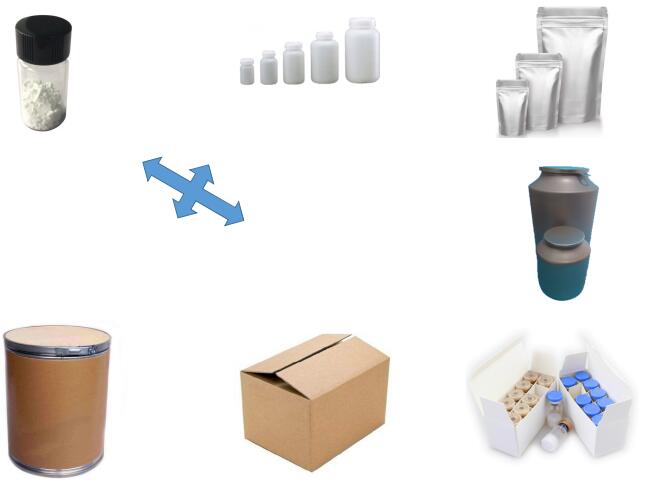
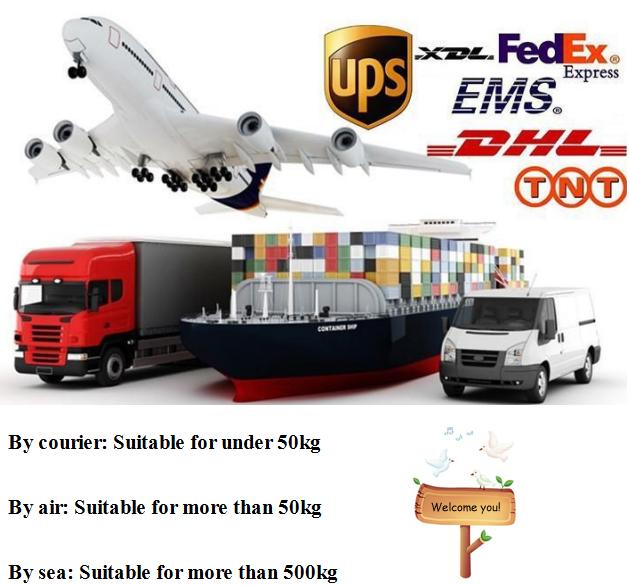
Delivery
Payment term
* Wire Transfer/Telegraphic Transfer
* Western Union
* MoneyGram
* L/C
Contact information
Spring Zhang
Email: export@fortunachem.com
Skype: Fortunachem201304
Wechat/Whatsapp: 18007136271
Tel: +86-27-59207892
Website: www.fortunachem.com




 China
China