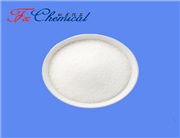
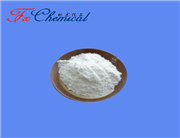
Specification
Items | Specifications | Results |
Appearance | White crystal powder | White crystal powder |
Melting Point | 174~179℃ | 175.5℃ |
Specific Rotation | -0.15°— +0.15° | +0.01° |
Nonvolatile Matter | ≤0.05% | 0.02% |
Relative Matter | ≤2.0% | 1.4% |
Halide | ≤100ppm | 46ppm |
Moisture | Add 1 .0g sample to 10ml volume of diethyl ether, obtaining a settle solution | Qualified |
Content | ≥96.0% | 96.8% |
Conclusion | The product conforms to the above specifications. |
Welcome to contact us to get complete COA.
Camphor is a white, waxy, crystalline substance with a strong, penetrating aroma. It is a terpenoid (specifically a ketone) extracted primarily from the wood of the camphor laurel tree (Cinnamomum camphora), native to East Asia (especially Taiwan, Japan, and parts of China).
Historically, it was obtained through distillation of the wood, bark, and leaves of the tree. Today, most camphor is synthetically produced from turpentine oil (alpha-pinene), making it more affordable and widely available.
Key Properties:
Aroma: Strong, medicinal, cooling scent.
Solubility: Dissolves in alcohol, oils, and other organic solvents, but not in water.
Effects: It is a local anesthetic, antipruritic (anti-itch), decongestant, and mild analgesic. In high doses, it is toxic and a nervous system stimulant.
Major Uses of Camphor
1. Medicinal & Therapeutic Uses
Topical Pain Relief: Found in creams, ointments, and balms (e.g., Tiger Balm, Vicks VapoRub) to relieve muscle aches, joint pain, arthritis, and back pain. It works as a counter-irritant, creating a warming or cooling sensation that distracts from deeper pain.
Cough & Cold Relief: A key ingredient in inhalants, chest rubs, and steam therapies. Its vapors act as a decongestant, helping to clear nasal passages and soothe coughs.
Antipruritic (Anti-Itch): Used in lotions and sprays to relieve itching from insect bites, minor skin irritations, and rashes.
Antiseptic & Antimicrobial: Mild antiseptic properties make it useful in some ointments for minor cuts and to prevent infections. It's also found in some over-the-counter antifungal preparations.
2. Traditional & Spiritual Uses
Religious Rituals: In Hinduism and other Eastern religions, camphor is burned as "kapur" during worship (aarti). The pure, white flame that leaves no ash symbolizes the dissolution of the ego and the purification of the environment.
Ayurveda & Traditional Chinese Medicine: Used for centuries to treat conditions like inflammation, congestion, and heart symptoms, and to improve circulation.
3. Industrial & Household Uses
Plasticizer: Historically, it was a key plasticizer for celluloid, one of the first synthetic plastics (used in photographic film, early toys, and combs).
Preservative & Insect Repellent: Used in mothballs and storage chests to protect woolens and other fabrics from moths, molds, and mildew. Its strong smell deters insects.
Perfumery: Used as a base note in some perfumes and soaps for its sharp, clean scent.
Pyrotechnics: An ingredient in some fireworks and explosives because it burns with a bright, smoky flame.
4. Modern & Niche Uses
Topical Coolant: In sports sprays for a cooling sensation.
Flavoring: In very small, food-grade quantities, it is used in some confections in Asia (though this is regulated due to toxicity).
Embossing Agent: In the printing and textile industries.
⚠️ Important Safety Warnings
TOXIC IF INGESTED: Even small amounts (especially in children) can cause nausea, vomiting, seizures, and even be fatal. Never swallow camphor products.
For External Use Only: Most medicinal camphor products are designed for topical application only.
Dilution: Pure camphor oil must be diluted in a carrier oil before skin application.
Pregnancy & Children: Avoid using on or near the faces of infants and young children, as it can cause respiratory distress. Pregnant/nursing women should consult a doctor.
Look for Synthetic vs. Natural: Natural camphor (from the tree) is different from the more common synthetic camphor. Some religious practices specifically require natural camphor.
In summary, camphor is a versatile compound with a rich history, spanning from sacred rituals and traditional medicine to modern pain relief balms and industrial applications. Its most recognizable use for many people is in chest rubs for colds and in muscle relief ointments. Always use it with caution and follow label instructions carefully.
Package
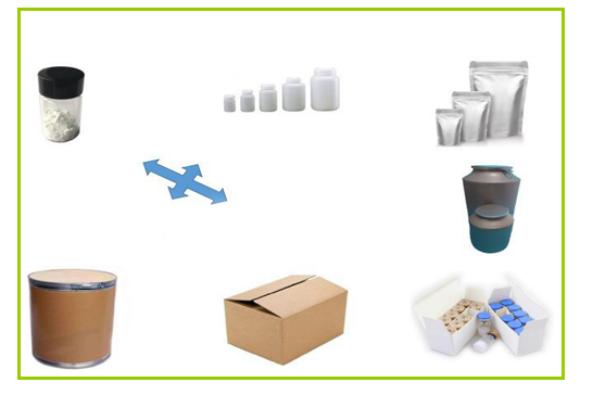
Shipping

Company informations

Contact information





 China
China