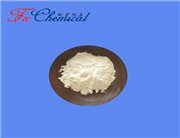
Xanthine (pronounced /ˈzænθiːn/) is a naturally occurring purine base found in most body tissues and fluids. It plays a crucial role in the metabolic pathway that breaks down purines.
Chemically, it serves as the structural backbone for three well-known stimulants:
Caffeine
Theobromine (found in chocolate)
Theophylline (found in tea)
💎 Key Selling Points & Benefits
When discussing the "selling points" of Xanthine, they generally fall into medical applications, metabolic health, and cutting-edge scientific research.
1. Respiratory Health (Bronchodilation)
This is the primary pharmaceutical application of xanthine derivatives (like Theophylline).
Airway Relaxation: It helps relax smooth muscles in the airways.
Asthma & COPD Management: It has historically been used to treat asthma and Chronic Obstructive Pulmonary Disease (COPD) by improving breathing capacity.
2. Central Nervous System Stimulation
While pure xanthine is not typically sold as a stimulant, its derivatives are famous for this trait.
Alertness: As the parent compound of caffeine, it relates to increased wakefulness and reduced fatigue.
Mood Enhancement: Mild stimulation can contribute to improved focus and mood.
3. Diuretic Properties
Fluid Balance: Xanthine acts as a diuretic, meaning it increases blood flow through the kidneys and promotes the production of urine, which helps the body eliminate excess fluid and salt.
4. Emerging Research: Immune System Support
Recent high-level scientific studies (such as those published in Nature) have highlighted a novel potential for xanthine:
T-Cell Restoration: Research suggests that xanthine can help "reinvigorate" T-cells (immune cells), helping them resist damage from high-fat diets and potentially restoring their ability to fight tumors. This positions it as a molecule of interest for future immunotherapy.
⚠️ Important Safety Note
Caution regarding Gout:
While xanthine has benefits, it is an intermediate step in the production of Uric Acid. In the human body, xanthine is converted into uric acid. Therefore, individuals prone to gout or kidney stones should be cautious, as elevated levels can contribute to these conditions.







 China
China