Specification
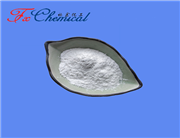
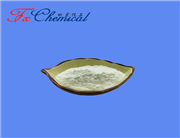
| Appearance | white or almost white crystalline powder |
pH | 7.5-9.0 |
| Water | ≤8.0% |
Inorganic phosphate
| ≤1.0% |
Assay
| 98%-102% |
Welcome to contact us to get complete COA.
Prednisolone phosphate sodium is a water-soluble prodrug and salt of prednisolone, a potent synthetic glucocorticoid (a type of corticosteroid). In simple terms:
Prednisolone is the active anti-inflammatory and immunosuppressive steroid.
Phosphate sodium is a chemical group attached to make it highly soluble in water.
Prodrug: It is inactive in the bottle. Once administered, the body's enzymes quickly remove the phosphate group, converting it into the active drug prednisolone.
This high solubility makes it ideal for formulations that require the drug to be in solution, such as eye drops, ear drops, and injectable solutions.
Key Uses (Medical Indications)
Prednisolone phosphate sodium is used for its potent anti-inflammatory, anti-allergic, and immunosuppressive effects. Its use depends on the formulation:
1. Ophthalmic (Eye) Uses
This is the most common application. It is used to treat severe inflammatory conditions of the eye.
Conditions: Allergic conjunctivitis, keratitis, uveitis (iritis, iridocyclitis), inflammation after eye surgery or injury.
Purpose: Reduces swelling, redness, pain, and prevents damage to ocular tissues.
2. Injectable & Systemic Uses
When given by injection (intravenous, intramuscular, or intra-articular) or orally, it treats systemic conditions.
Conditions:
Severe allergic reactions (e.g., anaphylaxis, angioedema).
Rheumatic disorders (e.g., rheumatoid arthritis, acute gout).
Autoimmune diseases (e.g., systemic lupus erythematosus, ulcerative colitis).
Severe skin conditions (e.g., pemphigus, severe psoriasis).
Asthma exacerbations and other inflammatory lung diseases.
Certain cancers (like leukemia and lymphoma), as part of chemotherapy regimens.
Adrenal insufficiency (replacement therapy).
3. Otic (Ear) Uses
To treat inflammation in the outer or middle ear.
How It Works (Mechanism of Action)
Prednisolone, the active form, works by:
Entering cells and binding to glucocorticoid receptors.
Modulating gene expression: It switches on genes that make anti-inflammatory proteins and switches off genes that produce inflammatory substances (like cytokines, prostaglandins).
Suppressing the immune system: It decreases the activity and proliferation of immune cells (lymphocytes, eosinophils).
Stabilizing cell membranes and reducing edema (fluid buildup).
Important Safety Considerations & Side Effects
While highly effective, it carries risks, especially with systemic (oral/injectable) use.
Contraindications: Systemic fungal infections, known hypersensitivity. Caution is required in patients with diabetes, hypertension, peptic ulcer disease, osteoporosis, mental health conditions, and active infections.
Common Side Effects (Systemic Use):
Short-term: Increased appetite, insomnia, mood swings, elevated blood sugar, fluid retention.
Long-term: Osteoporosis, muscle weakness, easy bruising, thinning skin, increased infection risk, adrenal suppression, cataracts, glaucoma, weight gain, "moon face."
Ophthalmic Side Effects: Increased intraocular pressure (steroid-induced glaucoma), cataract formation, delayed wound healing, risk of secondary infection.
Withdrawal: Long-term systemic use must be tapered slowly to allow the adrenal glands to recover; sudden stoppage can cause an adrenal crisis.
Comparison to Other Steroids
| Feature | Prednisolone Phosphate Sodium | Prednisolone Acetate | Dexamethasone |
|---|
| Solubility | High (water-soluble) | Low (lipid-soluble suspension) | High |
| Common Forms | Eye drops, injections, oral liquid | Ophthalmic suspension | Eye drops, injections, tablets |
| Onset of Action | Rapid (already in solution) | Slower (particles must dissolve) | Rapid |
| Duration | Moderate | Longer in the eye (reservoir effect) | Long |
| Potency | High | High | Very High |
Summary
Prednisolone phosphate sodium is a versatile, water-soluble corticosteroid prodrug used primarily to treat severe inflammation and immune-mediated conditions. Its key advantage is its rapid onset due to its solubility, making it a first-choice agent in ophthalmic emergencies and for systemic administration when a quick effect is needed. However, its use requires careful medical supervision due to the potential for significant side effects.
Disclaimer: This information is for educational purposes only and does not constitute medical advice. Always consult a qualified healthcare professional for diagnosis, treatment decisions, and dosage.
Package

Shipping

Company informations

Contact information





 China
China