2. Why do we focus on vegetal chitosan?
There have been a number of statistics around the world in recent years about the vegan and vegetarian population. According to some sources, the number of vegan in the world has increased by 350% over the past decade. 3% of the US population and 1% of the UK population were found to be vegan. In Germany this ratio is about 3%. As the enrollment and survey conditions of each country differ, it is difficult to determine how many people are vegan in the world.
In addition, there are about 5 of 100 people affected by crustacean allergy, that means about 300 million people need non-crustacean-ingredients food.
Chitosan was one kind of main ingredients used for food preservatives, winemaking fining agent, cosmetics, fat binder, health supplement, and other pharama or food fields. Usually chitosan was derived from crustacean such as crab, shrimp, lobster. It might be not suitable for vegan, vegetarinas, and those people with allergic to crustacean materials. So vegetal chitosan will solve this problem.
3.What's advantages of vegetal chitosan?
100% Naturally non-animal sourced ( Mushroom / Aspergillus Niger )
Suitable for vegan, vegetarians, and those with allergic to crustacean material
Non-allergenic, Non-GMO, Cruelty-Free, Antimicrobial
Biodegradable, Non-toxic, Gluten-free
Renewable, Inexhaustible
Traceable Consistent quality
4.Which application fields is vegetal chitosan used for?
The interesting characteristics of chitosan such as biocompatibility, non-toxicity, low allergenicity and biodegradability allow it to be used in various applications.
Besides, chitosan is reported to have other biological properties, such as antitumor , antimicrobial, and antioxidant activities. The degree of deacetylation, which is described by the molar fraction of deacetylated units or percentage of deacetylation, and the molecular weight of chitosan, were found to affect these properties.
Vegetal chitosan has been widely used for different biological and biomedical applications recently due to its unique properties. For instance, it can be used in food preservatives, winemaking as fining agent, cosmetics, fertilizer, water treatment , wound-healing materials, pharmaceutical excipient or drug carrier, obesity treatment and as a scaffold for tissue engineering. There is increased interest in pharmaceutical as well as biomedical applications of chitosan and its derivatives and significant development has been achieved. It can be reflected in the increasing number of related publications throughout the years.
5.Product Specification
| ANALYSIS |
SPECIFICATION |
| Deacetyiation |
≥90% |
| Characters/appearance |
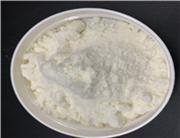
White or light yellow powder |
| Odor and taste |
Characteristic |
| PH |
7--8 |
| Viscosity |
20--1000mpas |
| Mesh size/sieve analysis |
40/60/80/100mesh |
| Loss on drying |
≤8% |
| Total ash |
≤ 2 % |
| As |
≤ 2.0 ppm |
| Pb |
≤ 1.0 ppm |
| Cd |
≤ 0.5 ppm |
| Hg |
≤ 0.5 ppm |
| Sum |
≤ 20.0 ppm |
| Total Plate Count |
<1000cfu/g |
| Yeast & Mold |
<100cfu/g |
| E.Coli. |
Negative |
| Salmonella |
Negative
|



 China
China