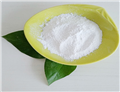
Phytic acid is present in all eukaryotic cells. In plants, it is known to function as a [PO4]3 storage depot and precursor for other inositol phosphates and pyrophosphates. Its high surface negative charge makes it a potent chelator of divalent and trivalent cations in vitro, and it is most likely associated with Ca2+ or Mg2+ ions in vivo. In yeast, phytic acid acts with the nuclear pore protein Gle1 to regulate the nuclear export of mRNA by coactivating the RNA-dependent ATPase activity of DExD-box protein 5 (Dbp5).
Inositol hexakisphosphate dipotassium salt is obtained according to the following preparation method: the first step is to separate the waste solution of tert-butyl peroxyneodecanoate, and obtain the aqueous solution after separation; the second step is to weigh 100 to 160 parts of the aqueous solution, 80 to 120 parts of the weathered coal powder, and 110 to 200 parts of the deionized water according to the weight, and then the mixture is obtained by mixing the required amount of the aqueous solution, the weathered coal powder, and the deionized water; the third step is to heat the mixture to 80 to 100 for reaction, and test the PH value of the mixture in the reaction, and the black-brown paste is obtained after reaction. In the third step, the mixture was heated to 80 to 100 for reaction, and the PH value of the mixture in the reaction was tested, and a black-brown paste was obtained after the reaction, and in the fourth step, the black-brown paste was dried to obtain the dried potassium phytate, in which: the reaction time was from 40 minutes to 90 minutes, the PH value of the endpoint of the reaction was from 9 to 11, the drying temperature was from 90 to 120 , and the drying time was from 2 h to 4 h. In the third step, the mixture was heated to 80 to 100 for reaction and the PH value of the mixture in the reaction was tested. The drying time is from 2 hours to 4 hours.