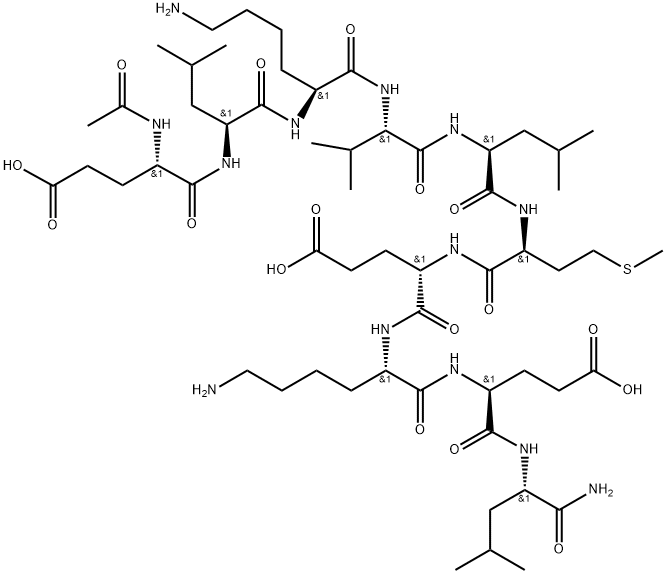
RAGE antagonist peptide (RAP, 100 μg) inhibits RAGE-mediated Basal NFκB Activity in PDAC cells in vivo[1].
RAGE antagonist peptide (RAP) reduces the growth and metastasis of pancreatic tumors and also inhibited glioma tumor growth[1].
In mice bearing asthma, RAGE antagonist peptide (RAP; 4 mg/kg; i.p.) blunts airway reactivity, airway inflammation and goblet cell metaplasia, and decreases release of Th2 cytokines. RAGE antagonist peptide also reduces total, cytoplasmic and nuclear levels of β-catenin, enhanced β-catenin phosphorylation at Ser33/37/Thr41, which triggers ubiquitination, down-regulated expression of β-catenin targeted genes, and tends to keep β-catenin at the cytomembrane, shifting β-catenin from a signalling active pattern to an adhesive function[2].
| Animal Model: | Cancer cells expressing the NFκB-luc reporter implanted into immune-deficient mice[1]. |
| Dosage: | 100 μg. |
| Administration: | Intratumoral delivery (or intraperitoneally). |
| Result: | Systemic administration caused a substantial reduction (p<0.05) in the NFκB signal 5 h after injection. |