Preparation
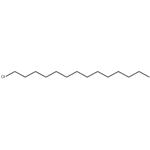
There are two main methods for preparing 1-Chlorotetradecane: direct chlorination and indirect chlorination. Direct chlorination involves reacting tetradecane with chlorine gas in the presence of a catalyst to produce 1-Chlorotetradecane. This method is simple to operate, but the product may contain byproducts with varying degrees of chlorination, requiring subsequent separation and purification. Indirect chlorination involves first converting tetradecane into other intermediates before subjecting it to chlorination to obtain 1-Chlorotetradecane.
Chemical Properties
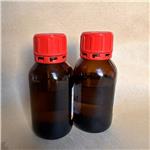
Water-white distilled liquid; mild odor.
15.2% chloride, subject to mild hydrolysis on standing.
Uses
1-Chlorotetradecane has been used:
- in preparation of nonionic microemulsion of pentaoxyethylene glycol dodecyl ether, water and 1-chlorotetradecane
- as internal standard in determination of 3-chloropropane-1,2-diol in hydrolyzed vegetable protein by capillary gas chromatography with electrolytic conductivity detection
Uses
1-Chlorotetradecane is used as a chemical intermediate.
Uses
1-Chlorotetradecane is a useful synthetic intermediate. It is an intermediate used to prepare Dimethyldimyristyl ammonium chloride (D472560), a surfactant.
General Description
Phase behavior and phase separation kinetics of ternary nonionic microemulsion system composed of pentaethylene glycol dodecyl ether, water and 1-chlorotetradecane was studied.