Uses
4-Chloro-N-methyl-2-nitroaniline is used for catalytic hydrogenation to synthesize 2-(trifluoromethyl)benzimidazole derivatives.
Synthesis
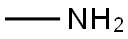
General procedure for the synthesis of 4-chloro-N-methyl-2-nitroaniline from 1,4-dichloro-2-nitrobenzene and 30% methanamidol solution: 1,4-dichloro-2-nitrobenzene (5 g, 26 mmol) was dissolved in 30% methanamidol solution (50 mL), and the reaction was stirred for 4 hours at 50 °C. Upon completion of the reaction, the reaction mixture was quenched with water (50 mL) and subsequently extracted with ethyl acetate (80 mL x 3). The organic layers were combined, washed with brine (150 mL × 2), dried over anhydrous sodium sulfate, and concentrated under reduced pressure to afford the target product 4-chloro-N-methyl-2-nitroaniline (4 g, 84% yield) as a red solid. The product was characterized by LC-MS and 1H-NMR: LC-MS (m/z): 187 [M + 1]+; 1H-NMR (CDCl3, 400MHz) main characteristic peaks: δ (ppm) 2.95 (d, J = 4.8 Hz, 3H), 7.04 (d, J = 9.2 Hz, 1H), 7.59 (d, J = 9.2 Hz, 1H) 8.05 (s, 1H), 8.24 (s, 1H).
References
[1] Patent: WO2015/42397, 2015, A1. Location in patent: Paragraph 000314
[2] Journal of the Chemical Society, 1949, p. 2579,2581
[3] Recueil des Travaux Chimiques des Pays-Bas, 1902, vol. 21, p. 258
[4] Recueil des Travaux Chimiques des Pays-Bas, 1908, vol. 27, p. 35 Anm. 2
[5] Russian Journal of Organic Chemistry, 2004, vol. 40, # 10, p. 1473 - 1476