Synthesis

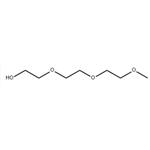
Figure 1. Synthetic Route of Triethylene Glycol Monomethyl Ether
Triethylene glycol (80 mL, 0.59 mol) and sodium hydroxide (8.0 g, 0.2 mol) were added to a single-necked flask and the mixture was stirred under heating until it became a viscous liquid. Dimethyl sulfate (20 mL, 0.20 mol) was slowly added dropwise to the reaction mixture. The solution was then heated to 120 °C with stirring and reacted at this temperature for about 4 hours. During heating, the color of the solution would deepen. After the reaction was complete, the reaction mixture was cooled to room temperature and water (50 mL) was added. The aqueous phase was extracted three times with dichloromethane.
The combined organic phases were dried over anhydrous magnesium sulfate and filtered. The low-boiling solvent was concentrated using a rotary evaporator. The concentrated liquid was then distilled under vacuum to obtain the target product molecule, triethylene glycol monoether methyl ester.
Description
m-PEG3-alcohol is a PEG linker containing a hydroxyl group. The hydroxyl group enables further derivatization or replacement with other reactive functional groups. The hydrophilic PEG spacer increases solubility in aqueous media.
Chemical Properties
Colorless liquid.Soluble in water.
Combustible.
Uses
Plasticizer intermediate.
Uses
Triethylene glycol monomethyl ether can be used as a reagent and solvent for applications such as:
- modification of anthraquinone material for redox flow batteries
- preparation of polymeric electrolyte for electrochemical devices,
- formation of the binary system of polyethylene glycol for absorption of silica.
Definition
ChEBI: A hydroxypolyether that is the monomethyl ether derivative of triethylene glycol. Metabolite observed in cancer metabolism.
General Description
Colorless odorless liquid.
Air & Water Reactions
Ethers tend to form unstable peroxides when exposed to oxygen. Ethyl, isobutyl, ethyl tert-butyl, and ethyl tert-pentyl ether are particularly hazardous in this respect. Ether peroxides can sometimes be observed as clear crystals deposited on containers or along the surface of the liquid.
Reactivity Profile
Ethers, such as TRIETHYLENE GLYCOL MONOMETHYL ETHER, can act as bases. They form salts with strong acids and addition complexes with Lewis acids. The complex between diethyl ether and boron trifluoride is an example. Ethers may react violently with strong oxidizing agents. In other reactions, which typically involve the breaking of the carbon-oxygen bond, ethers are relatively inert.
Health Hazard
No appreciable hazard in ordinary handling or use.
Safety Profile
Mildly toxic by ingestion and skincontact. A skin and eye irritant. Many glycol ethercompounds have dangerous human reproductive effects.Combustible when exposed to heat or flame. To fight fire,use alcohol foam, dry chemical. When heated todecomposit