Uses
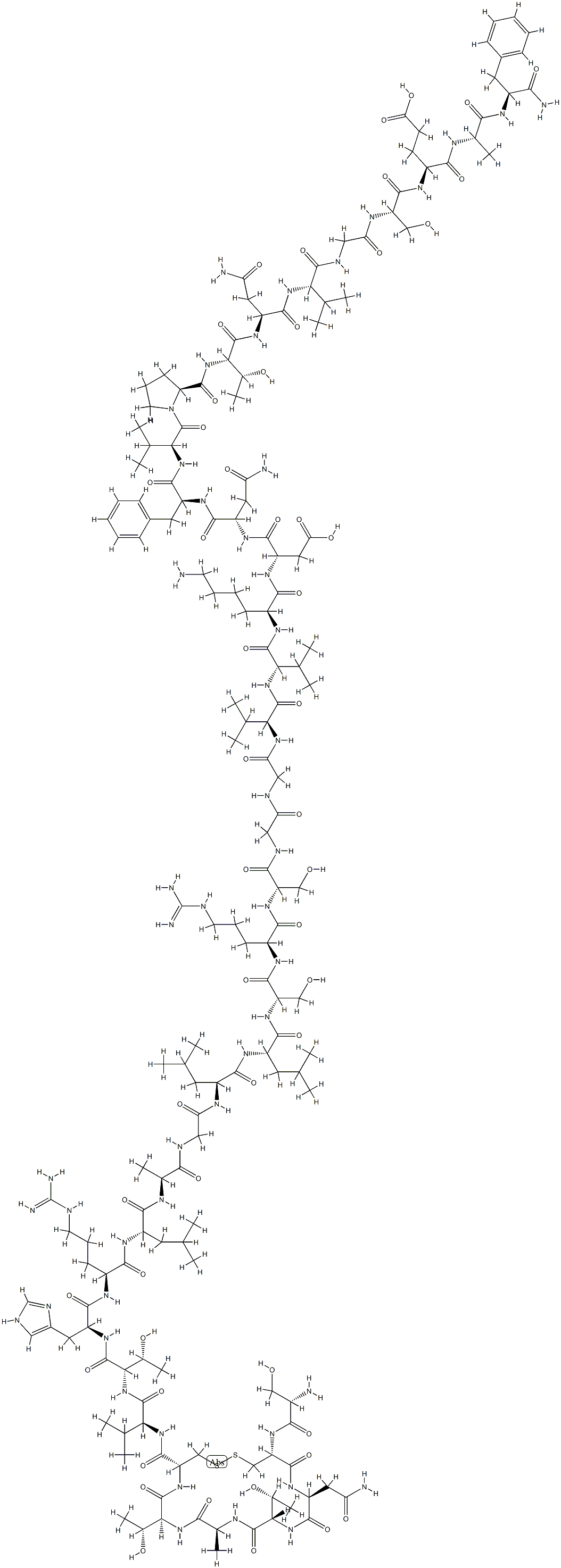
α-CGRP (mouse, rat), a neuropeptide (calcitonin gene-related peptide (CGRP)) mainly expressed in neuromuscular junction, is a potent vasodilator. α-CGRP (mouse, rat) can lead to a fall in blood pressure and an increase in heart rate by peripheral administration, also relax colonie smooth muscle. α-CGRP (mouse, rat) has the potential in cardiovascular, pro-inflammatory, migraine and metabolic studies[1][2][3][4].
in vivo
α-CGRP (mouse, rat) (0.25, 0.5, 1 μg/kg/min, intravenous) dose-dependent decreases mean arterial blood pressure, while heart rate and systemic vascular conduction increased, while cardiac output remained unchanged[3].
α-CGRP (mouse, rat) plays an important role in the regulation of Kainic acid (KA) induced pyramid-cell death in hippocampal CA3 region[4].
References
[1] Whitby K, et al. Castanospermine, a potent inhibitor of dengue virus infection in vitro and in vivo. J Virol. 2005 Jul;79(14):8698-706. DOI:
10.1128/JVI.79.14.8698-8706.2005[2] Xu H, et al. Transcriptional Atlas of Intestinal Immune Cells Reveals that Neuropeptide α-CGRP Modulates Group 2 Innate Lymphoid Cell Responses. Immunity. 2019 Oct 15;51(4):696-708.e9. DOI:
10.1016/j.immuni.2019.09.004[3] Arulmani U, et al. Effects of the calcitonin gene-related peptide (CGRP) receptor antagonist BIBN4096BS on alpha-CGRP-induced regional haemodynamic changes in anaesthetised rats. Basic Clin Pharmacol Toxicol. 2004 Jun;94(6):291-7. DOI:
10.1111/j.1742-7843.2004.pto940606.x[4] Park SH, et al. Role of α-CGRP in the regulation of neurotoxic responses induced by kainic acid in mice. Peptides. 2013 Jun;44:158-62. DOI:
10.1016/j.peptides.2013.04.001