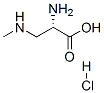
β-N-methylamino-L-alanine (460 mg/kg, s.c., daily, 2 weeks) hydrochloride inhibits melatonin synthesis in a Wistar rat model[4].
β-N-methylamino-L-alanine (BMAA-HCl, 400 mg kg, s.c.) hydrochloride induces developmental neurotoxicity in a rat model[5].
β-N-methylamino-L-alanine (100-350 mg/kg, i.p., 5 consecutive days) hydrochloride causes neurological and pathological phenotypes mimicking Amyotrophic Lateral Sclerosis (ALS) in male rats[6].
β-N-methylamino-L-alanine (5-10 nmol, intravitreal injections) hydrochloride induces in vivo retinal cell death in mice[8].
β-N-methylamino-L-alanine (250 mg/kg, i.p., 5 consecutive days) hydrochloride produces oxidative damage in liver and kidney of rats, with the significant increase of lipid peroxidation and high catalase activity[12].
β-N-methylamino-L-alanine (40-460 mg/kg, s.c., 2 days) hydrochloride perturbs the intermediary metabolism in neonatal rats, with impairments in learning and memory function[13].