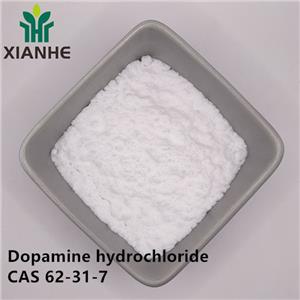
Dopamine Hydrochloride Overview
Definition:
Dopamine Hydrochloride is a synthetic form of dopamine, a neurotransmitter that plays a key role in various physiological processes, including mood regulation, movement, and heart function. It is used in clinical settings to treat certain medical conditions.
Functions:
· Vasodilator: Increases blood flow by dilating blood vessels, particularly in the kidneys and brain.
· Cardiovascular Support: Stimulates the heart to improve cardiac output and blood pressure in critical situations.
· Neurotransmitter Regulation: Plays a role in regulating mood, motivation, and movement in the brain.
· Shock and Sepsis Treatment: Used to stabilize blood pressure in patients with shock, sepsis, or heart failure.
Applications:
· Pharmaceutical Industry: Administered intravenously in hospitals to treat shock, heart failure, and acute kidney injury.
· Critical Care: Used in intensive care units (ICUs) for managing patients with low blood pressure and compromised organ function.
· Healthcare Products: Included in emergency medical treatments and cardiovascular support therapies.