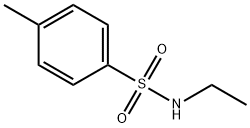
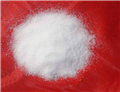
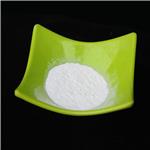
N-Ethyl-p-toluenesulfonamide (N-PTSA) is a white crystal commonly used as a pharmaceutical intermediate. It is synthesized by reacting ethyl acetoacetate with p-toluenesulfonyl chloride under alkaline conditions. In the pharmaceutical industry, N-PTSA is utilized in the synthesis of various drugs. The presence of ethyl and p-toluenesulfonamide groups in its structure makes N-PTSA valuable for specific applications in drug synthesis. Additionally, N-PTSA is employed as a plasticiser to enhance polymers more reactivity[1].
off-white crystalline solid
N-Ethyl-4-toluene sulfonamide is a resin carrier in dental materials used for isolating cavities below restorations; plasticizer in polyvinyl alcohollacquers, polyamides, cellulose acetate, etc.
N-Ethyl-p-toluenesulfonamide is a reagent used in the sulfonamidation of imidazopyridines.
Platelets (from dilute alcohol or ligroin) or off-white solid.
An amide. Organic amides/imides react with azo and diazo compounds to generate toxic gases. Flammable gases are formed by the reaction of organic amides/imides with strong reducing agents. Amides are very weak bases (weaker than water). Imides are less basic yet and in fact react with strong bases to form salts. That is, they can react as acids. Mixing amides with dehydrating agents such as P2O5 or SOCl2 generates the corresponding nitrile. The combustion of these compounds generates mixed oxides of nitrogen (NOx).
Flash point data for N-Ethyl-p-toluenesulfonamide are not available; however, N-Ethyl-p-toluenesulfonamide is probably combustible.
[1] Xiao Bian . (2025). Solubility, solvent effects and thermodynamic properties of N-Ethyl-p-toluenesulfonamide in twelve pure organic solvents. Journal of the Taiwan Institute of Chemical Engineers, 170, Article 106009.
https://doi.org/10.1016/j.jtice.2025.106009