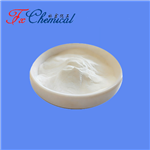
white to slightly yellow crystalline powder
L-Lysine Monohydrate can be used to study the impacts of the disease from E.coli infection and benefits of preventive consumption of a stimulator of homeopathic immunity
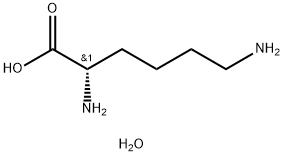
L-Lysine is an amino acid with a basic side chain and is amphipathic in nature. It has a protonated alkyl amino group and is fully protonated at physiological pH. L-lysine mainly participates in electrostatic interactions in proteins.
L-Lysine is an essential proteinogenic α amino acid used in a wide range of applications including as a non-animal sourced supplement in cell culture media, a substrate of enzymes such as L-lysine oxidase (EC 1.4.3.14), a component of poly-lysine polymers, and a substrate for oxidation and glycation mechanism studies.
L-Lysine hydrate (40 μg/kg; p.o.) ameliorates arterial calcification in adenine rats and protects the femora from osteoporotic changes in adenine rats[1].
L-Lysine hydrate (10 and 400 mg/kg; i.g. and p.o.; Male mice) inhibits pancreatic tissue damage[2].
| Animal Model: | Male mice[2] |
| Dosage: | 10 and 400 mg/kg |
| Administration: | Intraperitoneal injection and oral administration; for 15 days |
| Result: | Inhibited the release of the inflammatory cytokine IL-6 and enhance antioxidant activity. |
Microbial Metabolite; Human Endogenous Metabolite