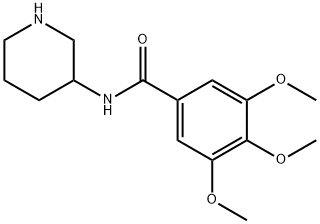
The product was prepared by condensation of 3,4,5-trimethoxybenzoic acid or its ester with 3-aminopyridine, followed by medium-pressure catalytic hydrogenation. The synthetic route is shown in Figure 1.
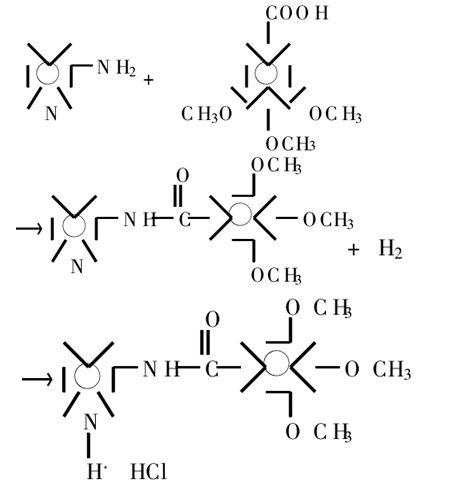
Figure 1 shows the synthetic route of troxipide.
The operation steps are as follows: 8.5 g (0.04 mol) of 3,4,5-trimethoxybenzoic acid, 50 ml of chloroform, and 10.5 g (0.133 mol) of pyridine are added to a 250 ml three-necked flask equipped with a mechanical stirrer, reflux condenser, and addition funnel. The mixture is heated to 30-40°C, stirred, and 3.4 g (0.022 mol) of phosphorus oxychloride is added dropwise over 10 min. The temperature is increased, and the mixture is reacted at 60-70°C for 1 h before being cooled to 50°C. At this temperature, a solution consisting of 3.8 g (0.04 mol) of 3-aminopyridine and 20 mL of chloroform was added dropwise over approximately 20 minutes. The solution was then refluxed for 40 minutes, followed by the addition of 40 mL of water at 50°C. The chloroform, water, and pyridine were distilled off under reduced pressure. The resulting solid was stirred with 150 mL of water to form a turbid solution, neutralized to pH 8 with NaHCO3, cooled, crystallized, and filtered to obtain the product 3,4,5-trimethoxy-N-3-pyridylbenzamide. 3.0 g (approximately 0.01 mol) of 3,4,5-trimethoxy-N-3-pyridylbenzamide, 30 mL of ethanol, 9 mL of water, 1.2 mL of concentrated hydrochloric acid, and 1.0 g of 5% Pd-C were placed in an autoclave and hydrogenated at 60-70°C and a maximum pressure of 5 MPa for 2 seconds. h, until no hydrogen is absorbed, cool, filter out the catalyst, evaporate ethanol under reduced pressure to obtain a colorless to pale yellow solid, neutralize the crude product with dilute NaHCO3 to pH 8-9, collect the precipitate, filter, and obtain the product.