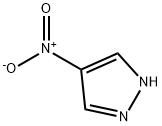
4-Nitropyrazole is a kind of low detonation velocity and high detonation pressure explosive, which has a promising future in the field of energetic materials. 4-Nitropyrazole is also used as raw material to synthesize 4-amino-3,5-dinitropyrazole, a useful intermediate for preparing trinitropyrazole. Currently, 4-nitro pyrazole is prepared by reacting with nitric acid, sulfuric acid, or nitric acid-trifluoroacetic anhydride mixtures. The reaction product contains a small amount of isomers of 4-nitropyrazole and some unknown by-products. To extend the application of 4-nitropyrazole, the crude product must be isolated and purified[1].
4-Nitropyrazole, is a building block for the synthesis of various pharmaceutical compounds, including inhibitors, and therapeutic agents. It can be used for the synthesis of highly selective, brain-penetrant aminopyrazole LRRK2 Inhibitor, as a potentially viable treatment for Parkinson''s disease.
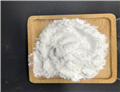
The general procedure for the synthesis of 4-nitropyrazole from pyrazole was as follows: pyrazole (8.5 g) was mixed with concentrated sulfuric acid (15 cm3) pre-cooled to 0°C, followed by the slow addition of cold concentrated nitric acid (18 cm3, density = 1.4 g/mL) under cooling in an ice-salt bath. The reaction mixture was heated under reflux conditions for 3 hours. After the reaction mixture was cooled to room temperature, additional nitration mixture (consisting of 6 cm3 concentrated sulfuric acid and 6 cm3 nitric acid) was added dropwise. The mixture was again heated under reflux conditions for 3 hours, cooled and left to stand overnight. The reaction solution was slowly poured into ice (80 g) and the precipitate was collected by filtration under reduced pressure, washed sequentially with cold water and cold ethanol and finally purified by recrystallization from toluene. The resulting 4-nitropyrazole was a white solid in 56% yield.
[1] Yüfang Wu. “Determination and thermodynamic modelling for 4-nitropyrazole solubility in (methanol + water), (ethanol + water) and (acetonitrile + water) binary solvent mixtures from T=(278.15 to 318.15) K.” Journal of Chemical Thermodynamics 103 (2016): Pages 276-284.