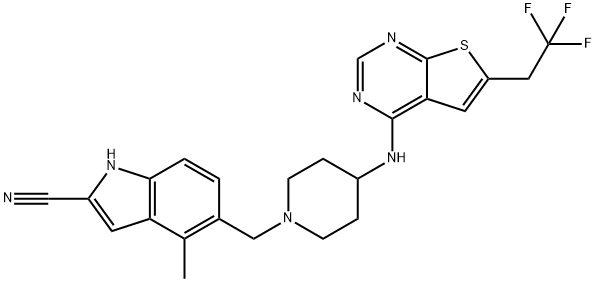
MI-463 achieves high level in peripheral blood following a single intravenous or oral dose, while also showing high oral bioavailability (45%). Pharmacologic inhibition of the menin-mLL interaction substantially delays progression of mLL leukemia in murine models through on-target activity without causing toxicity. MI-463 induces strong inhibition of tumor growth with once daily intraperitoneal (i.p.) administration. The expression of mLL fusion protein target genes, HOXA9 and MEIS1, are significant reduced upon treatment with MI-463. 20 days treatment of MV4;11 xenograft recipient mice with MI-463 also results in a substantial delay in leukemia progression as manifested by a marked decrease in the bioluminescence level which is associated with a significant decrease in the population of leukemic cells in the peripheral blood, spleen and bone marrow samples[1].