Methoxyfenozide, a substituted dibenzoylhydrazine, is an insecticide that functions by accelerating the moulting process. It acts as an ecdysone agonist or ecdysonoid, substituting for the natural insect moulting hormone, 20-hydroxyecdysone. Methoxyfenozide is active on all feeding larval stages of the target Lepidoptera.
It is used to control pests including codling moth, lesser apple worm, oriental fruit moth, leafrollers, cabbage looper, cotton bollworm, armyworm, and bud moths. It could be applied to leafy vegetables, fresh herbs, lettuce, salads, herbs, brassicas, cotton, pome fruit, grapes, sweetcorn, maize, peppers, and aubergines.
[1] http://sitem.herts.ac.uk/aeru/ppdb/en/Reports/461.htm
[2] http://www.fao.org
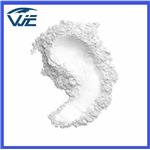
White crystalline solid or powder.
The industrial synthesis of methoxyfenozide begins with the preparation of two key intermediates: 3,5-dimethylbenzoyl chloride and 3-methoxy-o-toluic acid hydrazide. The hydrazide is synthesised by reacting the corresponding acid chloride with hydrazine hydrate under controlled temperature and pH conditions. This intermediate is then acylated with the dimethylbenzoyl chloride in the presence of a base such as triethylamine or pyridine, forming the diacylhydrazine backbone. The reaction is typically carried out in organic solvents like dichloromethane or acetonitrile, and the product is purified through crystallisation or solvent extraction to ensure high purity and yield.
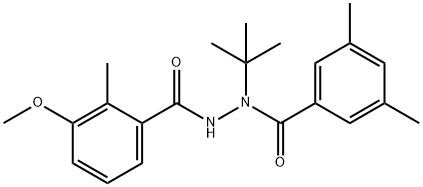
ChEBI: A carbohydrazide that is hydrazine in which the amino hydrogens have been replaced by 3-methoxy-2-methylbenzoyl, 3,5-dimethylbenzoyl, and tert-butyl groups respectively.
Low toxicity by ingestion, inhalation, and
skin contact.
Insecticide: Methoxyfenozide prevents insects from molting, or
shedding their exoskeleton in order to grow, e. g., caterpillars
and lychee webworms.
A moulting accelerator that is an agonist of the hormone 20-hydroxyecdysone. Ecdysone receptor agonist.
Methoxyfenozide is a diacylhydrazine
insecticide used to prevent insects from molting, or shedding their exoskeleton in order to grow, e.g., caterpillars
and lychee webworms
UN3077 Environmentally hazardous substances,
solid, n.o.s., Hazard class: 9; Labels: 9-Miscellaneous hazardous material, Technical Name Required.
If this chemical gets into the eyes, remove any
contact lenses at once and irrigate immediately for at least
15 minutes, occasionally lifting upper and lower lids. Seek
medical attention immediately. If this chemical contacts the
skin, remove contaminated clothing and wash immediately
with soap and water. Seek medical attention immediately.
If this chemical has been inhaled, remove from exposure,
begin rescue breathing (using universal precautions) if
breathing has stopped, and CPR if heart action has stopped.
Transfer promptly to a medical facility. When this chemical
has been swallowed, get medical attention. Give large
quantities of water and induce vomiting. Do not make an
unconscious person vomit.
Dissolve or mix the
material with a combustible solvent and burn in a chemical
incinerator equipped with an afterburner and scrubber. All
federal, state, and local environmental regulations must be
observed.