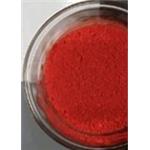
Vitamin B12, also known as cobalamin, is a complex organic compound that belongs to the B vitamins. It contains trivalent cobalt in a porphyrin Corrin plane at the center of the ring, making it the largest and most complex vitamin molecule. Vitamin B12 is the only vitamin that contains a metal ion, giving it a red crystal appearance.
Plant sources do not contain Vitamin B12, so it cannot be naturally produced by plants. The liver is the best source of Vitamin B12, followed by milk, meat, eggs, and fish.
Vitamin B12 plays an essential role as a coenzyme in the synthesis of RNA and DNA. A deficiency of Vitamin B12 can lead to pathological changes in the nervous system, affecting both the peripheral nerves and the central nervous system.
The discovery of Vitamin B12 can be attributed to the research conducted in the treatment of pernicious anemia, a previously incurable disease. In 1926, Minot and Murphy found that large amounts of raw liver could cure the disease, for which they were awarded the 1934 Nobel Prize in Physiology and Medicine. This led to the successful treatment of pernicious anemia using liver concentrate. In 1948, Smith and Parker independently isolated a red crystal from liver concentrate, naming it Vitamin B12. In the same year, R. West confirmed its effectiveness in treating pernicious anemia through injections of Vitamin B12.
The crystal structure of Vitamin B12 was determined in 1955 by D. Hodgkin using X-ray analysis, for which she won the 1964 Nobel Prize in Chemistry. In 1972, Woodward successfully synthesized Vitamin B12 in its entirety.
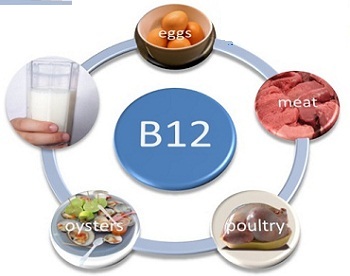
Figure 1 is the source of vitamin B12
Deep red crystal or powder, odorless and tasteless, absorbs moisture. Slightly soluble in water and ethanol, insoluble in chloroform or ether. Resistant to heat, but can become ineffective when exposed to oxidizing or reducing substances, heavy metals, strong acids, or alkalis.
The structure of vitamin B12
Vitamin B12 is an octahedral compound that contains cobalt ions. Its central structure is composed of a corrin ring connected to four pyrrole groups and a 5,6-dimethylbenzimidazole (DMBI) ligand. The cobalt ion is chelated to the Corrin ring by four nitrogen atoms. The DMBI ligand is linked to the cobalt ion through its N-7 atom and is further connected to a phosphate group, aminopropanol, and the propionic acid side chains of pyrrole D. The cobalt ion is also linked to adenosine or methyl groups as a beta ligand. Different forms of vitamin B12 have different axial ligands on the corrin ring. For example, hydroxyl (-OH) is connected to the cobalt ion to form hydroxocobalamin, deoxyadenosine forms deoxyadenosylcobalamin, methyl forms methylcobalamin, and cyano forms Vitamin B12e.
1.Vitamin B12 is a crucial nutrient that is necessary for the proper functioning of the human body. Its deficiency can lead to anemia and various nervous system disorders.
2.Vitamin B12 is primarily used in the treatment of megaloblastic anemia. It is also used to address poor nutrition, anemia due to blood loss, neuralgia, and obstructive disorders.
3.In the human body, vitamin B12 plays a crucial role in metabolism. The average total amount of vitamin B12 in the body is approximately 2-5mg, with the majority (50-90%) stored in the liver.
4.Vitamin B12, along with folic acid, is essential for the synthesis of nucleic acids during cell division. It is involved in the synthesis of purines, pyrimidines, nucleic acids, and methionine.
In summary, vitamin B12 is primarily used to treat conditions such as pernicious anemia, megaloblastic anemia, anemia caused by antifolate drugs, and multiple neuritis. It is an essential nutrient for the proper functioning of the body, and its deficiency can lead to various health issues.
1.Vitamin B12 plays a crucial role in the utilization of folic acid. It works in conjunction with folic acid to synthesize methionine and choline, which are important compounds involved in various processes such as purine and pyrimidine synthesis.
2.Vitamin B12 is essential for maintaining the metabolism and function of the nerve myelin sheath. Deficiency in vitamin B12 can result in neurological disorders, spinal cord degeneration, and severe psychiatric symptoms. It can also cause peripheral neuritis.
3. Vitamin B12 promotes the development and maturation of red blood cells. It is involved in the conversion of two acyl coenzyme A to succinate coenzyme A, which is crucial for the synthesis of the tricarboxylic acid cycle.
4.In addition to the aforementioned functions, Vitamin B12 also plays a role in the synthesis of deoxyribonucleic acid (DNA) and metabolism of fats, carbohydrates, and proteins.
1. Applications for medical and health care
Used in the treatment of various Vitamin B12 deficiency, for example: treat megaloblastic anemia, anemia caused by poisoning, aplastic anemia and leukopenia psychosis; and with the use of pantothenic acid, which can prevent malignant anemia, helps Fe2+ uptake and secretion of gastric acid; also used to treat arthritis, facial nerve paralysis, trigeminal neuralgia, hepatitis, herpes, asthma and other allergies, atopic dermatitis, hives, eczema and bursitis; Vitamin B12 can also be used for the nervousness, irritability, insomnia, memory loss, depression disorder treatment. New research shows that, Vitamin B12 deficiency can also cause depression mental illness. Vitamin B12 as a therapeutic agent or health products ,is very safe,more than thousands of times of RDA Vitamin B12 is not found poisoning phenomenon in intravenous or intramuscular.
2. Applications in respect of feed
Vitamin B12 can promote growth and development of the poultry, livestock especially poult, young animals , improve the utilization of feed protein, and thus it may be used as feed additives. Treatment of eggs and fry with vitamin B12 solution to improve fish of toxic substances in the water such as tolerance to benzene and heavy metal and reducing mortality. Since the "mad cow" incident in European, the use of the chemical structure of vitamins and other nutritional supplements to replace the clear "MBM" has more room for development. Currently the world's production of Vitamin B12 is mostly used for the feed industry.
3. In other aspects of the application
In developed countries, Vitamin B12 complex with other substances are used in cosmetics; in the food industry, Vitamin B12 is used as ham, sausage, ice cream, fish, meat and other food colorants. In family life, the Vitamin B12 solution is adsorbed on activated carbon, zeolites, non-woven fabric or paper to be made into soap, toothpaste, etc; it can be used for deodorant toilet, refrigerator, eliminating the smell of sulfide and aldehydes; Vitamin B12 is also available in dehalogenation of environmental protection soil and common pollutants in surface water-organic halides.
Weighed accurately sample of about 30 mg, and it is taken transferred to a 1000ml volumetric flask to volume with water and mix. Another Weigh Pharmaceutical grade vitamin B12 as reference standard sample, dissolved in water, and then gradually diluted with water to a concentration of about 30μg/ml of the standard solution. Make a blank test with water, with a suitable spectrophotometer, and measured at the maximum absorption wavelength (about 361nm), the absorbance of the two solutions in 1 cm Colorimetric pool . According to the following formula to calculate the sample of vitamin B12 (C63 H88CoNl4O14P) content (mg).
Content of vitamin B12 (mg) = C × Au/As
Where c is the concentration of reference standard solution, in units of μg/ml; Au and As are the absorbance of the sample solution and reference standard solution, respectively.
GRAS(FDA,§182.5945,2000)。
GB 14880-94: infant food, fortified beverages 10~15μg/kg.
FDA, §184.1945 (2000): In (3MP) limit.
GB 2760-2002 (μg/kg): soft drinks 0.6-1.8 ; instant breakfast cereal, 5-10; jelly 2.0-6.0; cocoa powder and other solid nutritional beverage flavors, 1-6.6 (corresponding nutritious milk drink by diluting reduce multiple usage).
1. A large number of synthetic vitamin B12 can be produced by actinomycetes, such as Streptomyces sp., and the production of vitamin B12. in the culture solution of this kind of bacteria is used in industry. The whole synthesis of vitamin B12 has been completed in 1973 by R.B. Wood, which is a very outstanding work in organic synthesis.
2.1)It is prepared by the chain of gray mold fermentation broth after acidification with a weak acid exchange acrylic cationic resin--122 adsorption, and then eluted, purified, transformed with 1% cyanide by solvent and water extraction repeatedly, lead oxide layer analysis, crystallized from acetone to obtain the finished product.
(2) Glucose, corn syrup as the raw material, vaccination Hsueh Propionibacterium (Propionibacterium shermarii) fermentation, the fermentation broth was added cobalt chloride, 5,6-2-methyl benzimidazole, were extracted and dried to obtain product.
Dark red, crystalline powder or dark red crystals.
VITAMIN B12 (Cobalamin), Sometimes also called cyanocobalamin, this vitamin is one of the more recent of the major B complex vitamins to be fully identified, with its structure not definitized (by Hodkin et al.)
Prototype of the family of naturally occurring cobalt coordination compounds knows as corrinoids. Analogs of vitamin B12 which differ only in the β-ligand of the cobalt are termed cobalamins. Synthesi
zed almost exclusively by bacteria. Dietary sources include fish, meat, liver, and dairy products; plants have little or no cobalamins. Converted by the body into its bioactive forms, methylcobalamin
and cobamamide, which serve as enzyme cofactors. Severe deficiency may result in megaloblastic anemia and/or neurological impairment.
A coenzyme for synthesis of nucleic acids and metabolism carbohydrates.
Vitamin B12 is water-soluble required for the normal development of red blood cells. Its deficiency causes pernicious anemia. It is stable in neutral conditions and is more stable for storage than for processing conditions. It is found in meat, fish, and milk.
Vitamin B12 dietary supplements are often prepared commercially by the fermentation of S. griseus, S. aureofaciens, Propionibacterium; or as a by-product of antibiotic production.
The following is taken from US Patent 3,057,851. Milorganite was extracted
with water to obtain an aqueous extract containing vitamin B12 active
substances. This aqueous extract was purified by treatment with an ion
exchange resin according to the following method. An aqueous extract of
milorganite, 100 ml containing 300 μg of vitamin B12 active substances and
4.5 grams of total solids, was combined with 0.5 gram of sodium nitrite and
0.4 gram of potassium cyanide. The resulting solution was adjusted to pH 4.0
with hydrochloric acid and heated to boiling. The boiled solution was filtered
through a Super-Cel filter surface, and the filter was then washed with water.
The filtrate was obtained in a total volume of 130 ml including the washings.
Amerlite XE-97, an ion exchange resin of the carboxyl type (Rohm and Haas),
was classified to an average wet particle size of 100 to 150 mesh. The
classified resin was utilized in the hydrogen form, and was not buffered during
the ion exchange fractionation. The classified resin, in the amount of 35 ml,
was packed into a glass column having a diameter of 25 mm and a height of
250 mm. The cyanide-treated aqueous extract of milorganite was infused
gravitationally into the ion exchange bed at a rate of 3 ml per minute.
The effluent was discarded and the resin bed was then washed with the
following solutions in the specified sequence: (1) 120 ml of an aqueous 0.1 N
hydrochloric acid solution; (2) 75 ml of an aqueous 85% acetone solution;
and (3) 70 ml of an aqueous 0.1 N hydrochloric acid solution. After washing,
the resin bed was eluted with an aqueous 60% dioxane solution containing
0.1 N of hydrochloric acid. In this elution, 8 ml of colored eluate was
collected. This portion of the eluate was found to contain 295 μg of
cyanocobalamin and 9 mg of total solids.
Pharmaceutical secondary standards for application in quality control, provide pharma laboratories and manufacturers with a convenient and cost-effective alternative to the preparation of in-house working standards.
Cyanocobalamin, also known as vitamin B12, belongs to a group of organic compounds important for the normal growth and development of human and animal bodies. It is used for the treatment of trigeminal neuralgia and multiple sclerosis.
Deficiency diseases or disorders include retarded growth; pernicious anemia; megaloblastic anemia; macrocytic, hyperchromic anemia; glossitis; spinal cord degeneration; and sprue.
Principal physiological functions include: (1) Coenzyme in nucleic acid, protein, and lipid synthesis; (2) maintains growth; (3) participates in methylations; (4) maintains epithelial cells and nervous system (myelin sheath); (5) erythropoiesis (with folic acid); (6) leukopoiesis.
Vitamin B12 is metabolized to its active form, methylcobalamin. Hindered vitamin B12 uptake is observed in pernicious anemia. Vitamin B12 is essential for erythroblast development. Pregnancy reduces the levels of vitamin B12. Aging reduces vitamin B12 absorption. It works as a coenzyme in fat, carbohydrate and protein metabolism. It is required for growth, genetic stability and survival of cells in vitro. Functions to support one-carbon metabolism. Present in many classical and serum-free formulations.
Poison by
subcutaneous route. Moderately toxic by
intraperitoneal route. An experimental
teratogen. Experimental reproductive
effects. When heated to decomposition it
emits very toxic fumes of POx and NOx. See
also COBALT COMPOUNDS.
Veterinary Drugs and Treatments
Cyanocobalamin is used for treating deficiencies of vitamin B12.
Malabsorption of the nutrient secondary to gastrointestinal tract
disease, or dietary chromium deficiencies (in ruminants) can be associated
with dietary deficiencies of vitamin B12. As there appears
to be a high percentage of cats with exocrine pancreatic insufficiency
or gastrointestinal disease that are deficient in cobalamin, there is
considerable interest in evaluating serum cobalamin (vitamin B12)
in these patients. Giant schnauzers may have a genetic defect affecting
the location of the cobalamin-intrinsic factor, causing cobalamin
deficiency. Dogs with inflammatory bowel disease may also
develop cobalamin deficiency.
Vitamin B12 crystallises from de-ionized H2O, with a solubility in H2O of 1g/80g, and is dried under vacuum over Mg(ClO4)2. The dry red crystals are hygroscopic and can absorb 12% of 2O. A solution at pH 4.5-5 can be autoclaved for 20minutes at 120o without decomposition. Aqueous solutions are stabilised by addition of (NH4)2SO4. [Golding Comprehensive Organic Chem Vol 5 (Ed. Haslam; Pergamon Press, NY, 1979) pp 549584.]
Alternatively an aqueous solution of the coenzyme can be concentrated, if necessary in a vacuum at 25o or less, until the concentration is 0.005 to 0.01M (as estimated by the OD at 522nm of an aliquot diluted with 0.01M K-phosphate buffer pH 7.0). If crystals begin to form on the walls of the container, they should be re-dissolved with a little H2O. The concentrated solution is placed in a glass stoppered flask and diluted with 5volumes of Me2CO. After 2-3hours at 3o it is centrifuged (10,000xg/10minutes) in Me2CO-insoluble plastic tubes to remove some amorphous precipitate. The clear supernatant is inoculated with a small crystal of the vitamin and allowed to crystallise overnight at 3o. Crystals are formed on the walls and the bottom of the container. A further 2volumes of Me2CO are added and set aside at 3o to further crystallise. Crystallisation is followed by observing the OD522 of the supernatant. When the OD falls to 0.27, then ca 94% of the crystals have separated. The supernatant is decanted (saved for obtaining a second crop), and the crystals are washed with a little cold 90% aqueous Me2CO (2x), 100% Me2CO (2x), Et2O (2x) at which time the crystals separate from the glass walls. Allow them to settle and remove residual Et2O with a stream of dry N2. The process can be repeated if necessary. The crystals can be dried in air or in a vacuum for 2hours over silica gel at 100o with an 8-9% weight loss. [Barker et al. Biochemical Preparations 10 33 1963.] This material gives a single spot on paper chromatography [see Weissbach et al. J Biol Chem 235 1462 1960.] The vitamin is soluble in H2O (16.4mM at 24o, 6.4mM at 1o), in EtOH and PhOH but insoluble in Me2CO, Et2O, CH2Cl2 and dioxane. UV: max at 260, 375 and 522nm ( 34.7 x 10⁶, 10.9 x 10⁶ and 8.0 x 10⁶ / mole) in H2O. The dry crystals are stable for months in the dark, but aqueous solutions decompose on exposure to VIS or UV light or alkaline CN-, but are stable in the dark at pH 6-7. The vitamin is inactivated by strong acids or alkalies. [Barker et al. J Biol Chem 235 480 1960, see also Vitamin B12 (Zagalak & Friedrich Eds) Walter de Gruyter, Berlin 1979, Beilstein 2 6 IV 3117.]