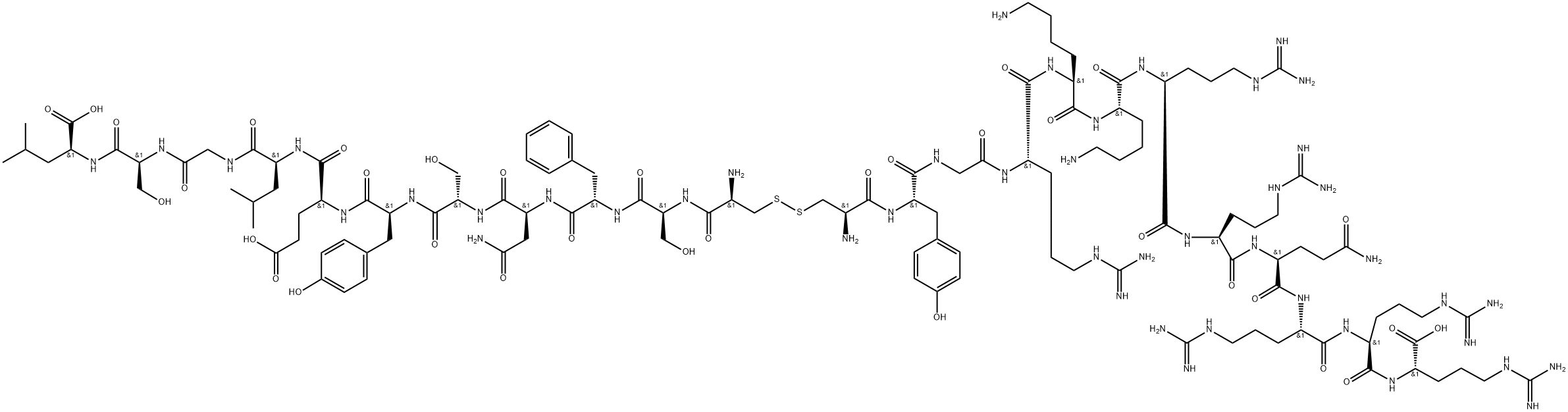
Delcasertib (KAI-9803, a single intraperitoneal injection) in mice results in the selective inhibition of PKC translocation in the liver, kidney, lung, heart, and brain[1].
Delcasertib (KAI-9803) administration at the end of ischemia has been found to reduce cardiac damage caused by ischemia-reperfusion in a rat model of acute myocardial infarction[1].
Delcasertib (KAI-9803) has been studied for the prevention of reperfusion injury in patients undergoing angioplasty after acute myocardial infarction[2].
| Animal Model: | Six-week-old male Crl:CD(SD) rats[1]. |
| Dosage: | 1 mg/kg (Pharmacokinetic Analysis). |
| Administration: | Via the femoral vein. |
| Result: | The distribution to tissues such as the liver, kidney, and heart is facilitated by the reversible conjugation to TAT47-57.
|