- HOME
- Suppliers by country
- Vendor type
Diborane suppliers
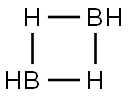
- CAS:
- 19287-45-7
- MF:
- B2H6
- MW:
- 27.67
Properties
- Melting point::
- -165°C
- Boiling point::
- -93°C
- Density :
- 0.477
- Flash point::
- -90°C
- solubility :
- reacts with H2O
- form :
- colorless gas
- color :
- colorless gas; flammable
- Odor:
- Repulsive odor detectable at 1.8 to 3.5 ppm
- Water Solubility :
- Decomposes
- Specific Heat Capacity:
- Cp(gas): 2.05 J/(g·K), at 25℃
- Merck :
- 13,3039
- Exposure limits:
- ACGIH:TLV-TWA 0.1 ppm (0.1 mg/m3)
OSHA:PEL-TWA 0.1 ppm (0.1 mg/m3)
NIOSH:REL-TWA 0.1 ppm
- NIST Chemistry Reference:
- Diborane(6)(19287-45-7)
- EPA Substance Registry System:
- Diborane (19287-45-7)
SecurityInformation
- Symbol(GHS) :
-


GHS02,GHS04,GHS06
- Signal word :
- Danger
- Hazard statements :
- H330-H220-H280
- Precautionary statements :
- P410+P403-P210-P377-P381-P403-P260-P271-P284-P304+P340-P310-P320-P403+P233-P405-P501
- Hazard Codes :
- F+;T,T,F+,T+
- Risk Statements :
- 12-23/24/25-36/37/38-26
- Safety Statements :
- 9-16-36/37/39-45-36/37-28
- OEB:
- D
- OEL:
- TWA: 0.1 ppm (0.1 mg/m3)
- RIDADR :
- UN 1911
- Autoignition Temperature:
- 38 to 52 °C
- TSCA :
- TSCA listed
- DOT Classification:
- 2.3, Hazard Zone A (Gas poisonous by inhalation)
- HazardClass :
- 2.3
- Hazardous Substances Data:
- 19287-45-7(Hazardous Substances Data)
- Toxicity:
-
LC50 inhal (rat) 50 ppm (4 h)
PEL (OSHA) 0.1 ppm
TLV-TWA (ACGIH) 0.1 ppm
- IDLA:
- 15 ppm
- Use:
- Inhalation of diborane gas results in irritation of the respiratory tract and may result in headache, cough, nausea, difficulty in breathing, chills, fever, and weakness. The odor of diborane cannot be detected below the permissible exposure limit, so this substance is considered to have poor warning properties. Overexposure to diborane can cause damage to the central nervous system, liver, and kidneys. Death can result from pulmonary edema (fluid in the lungs) and/or from lack of oxygen. Exposure to diborane gas has not been found to have significant effects on the skin and mucous membranes, but high concentrations can cause eye irritation, and contact with the liquid can cause burns. Chronic exposure to low concentrations of diborane may cause headache, lightheadedness, fatigue, weakness in the muscles, and tremors. Repeated exposure may produce chronic respiratory distress, particularly in susceptible individuals. An existing dermatitis may also be worsened by repeated exposure to the liquid. Diborane has not been shown to have carcinogenic or reproductive or developmental effects in humans.
More▼
▲
Your search"19287-45-7"did not match any products
You may consider to:
1、Check the spelling.
2、Use less keywords.
3、Use different keywords.