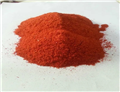
Chemical Properties
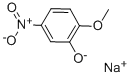
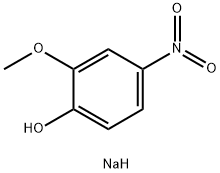
Sodium 5-nitroguaiacol is soluble in methanol, ethanol, acetone and other organic solvents. It is compounded with sodium o-nitrophenolate and sodium p-nitrophenolate to obtain sodium nitrophenolate, which has been widely used in agriculture.
Uses
Sodium 5-nitroguaiacol is the most active monomer in sodium nitrophenolate, and has been designated and recommended as a green food engineering plant growth regulator by the United Nations and the Food and Agriculture Organization (FAO). It has a very obvious synergistic effect in the compounding of fertilizers, pesticides, fungicides, and seed coating agents; when applied in animal husbandry and fishery, it can significantly improve the yield and quality of meat, eggs and skins, and also It can enhance the immunity of animals and prevent various diseases.
Production Methods
Sodium 5-nitroguaiacolate is commercially synthesised by nitrating guaiacol followed by neutralisation with sodium hydroxide. The production process begins with guaiacol (2-methoxyphenol), which undergoes electrophilic nitration using nitric acid to introduce a nitro group at the 5-position, forming 5-nitroguaiacol. This intermediate is then neutralised with sodium hydroxide to yield the sodium salt, enhancing its solubility and stability. The reaction is typically conducted under controlled temperature and pH conditions to ensure selectivity and minimise degradation.
Mechanism of action
Absorbed through leaves and translocated throughout the plant. Increases ATP translocation in cells and synthesis of proteins
Toxicology
The acute oral LD50 of 5-nitroguaiacol sodium on female and male rats was 3100 and 1270 mg/kg, respectively, and had no irritating effect on eyes and skin toxicity too.
Pesticide Type
Plant Growth Regulator