Production Methods
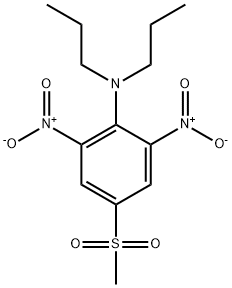
Nitralin is commercially synthesised by nitrating 4-methylsulfonyl-N,N-dipropylaniline. The production process begins with the preparation of 4-methylsulfonyl-N,N-dipropylaniline, which is then subjected to electrophilic aromatic nitration using a mixture of nitric and sulphuric acids. This introduces nitro groups at the 2 and 6 positions of the aromatic ring, yielding the active compound.
Definition
A herbicide used largely to control
weeds in cotton and soybeans. Research indicates
possible use in plant breeding; treatment of corn
roots induces abnormal chromosome formation and
cell-wall deterioration.
General Description
Light yellow to orange solid with a mild odor. Sinks in water.
Reactivity Profile
NITRALIN decomposes vigorously in a self-sustaining reaction at or above 225°C [USCG, 1999].
Health Hazard
Dust irritates eyes. Other forms of exposure produce no observable symptoms.
Mechanism of action
Microtubular assembly inhibitor, selective