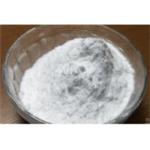
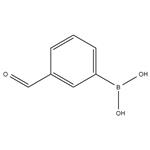
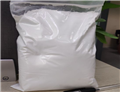
Chemical Properties
Off-white Cryst
Uses
Reagent used:
- To study the effects of boronic acid on fluoride-selective chemosignaling behavior of merocyanine dye
- As exciton-coupled CD probes for epigallocatechin gallate
Biological inhibitor of γ-glutamyltranspeptidase
Reactant involved in:
- Palladium-catalyzed homocoupling
- Suzuki coupling reactions
Uses
3-Formylphenylboronic acid can be used as reagent to study the effects of boronic acid on fluoride-selective chemosignaling behavior of merocyanine dye and as exciton-coupled CD probes for epigallocatechin gallate Biological inhibitor of γ-glutamyltranspeptidase.
Synthesis
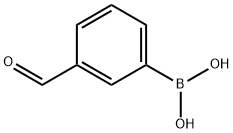
The general procedure for the synthesis of 3-formylphenylboronic acid from the compound (CAS:540777-53-5) and trimethyl borate was carried out as follows: firstly, a THF solution of trimethyl borate was prepared by adding 154.8 ml of trimethyl borate to a 3-liter three-necked flask, followed by 915 ml of tetrahydrofuran (THF). The solution was stirred under nitrogen protection and cooled with an ice bath. The cooled THF solution was slowly added to a 3-liter flask containing Grignard reagent through a stainless steel tube. The reaction mixture was stirred under ice bath cooling for 1 hour and then an aqueous sulfuric acid solution prepared from 30 ml of concentrated sulfuric acid and 480 ml of water was added. The temperature of the mixture was gradually brought to room temperature and stirring was continued at this temperature for 2 hours. After stopping stirring, the reaction mixture was allowed to stand at room temperature overnight. The precipitate was removed by filtration and the filtrate was concentrated. The concentrated residue was mixed with an equal volume of water and stirred at room temperature for 1 hour. The solid product was collected by filtration and dried to give 123.46 g of 3-formylphenylboronic acid in 88% yield. The 1H-NMR (200 MHz, CDCl3, δ ppm) data of the resulting product were as follows: 7.54 (t, J = 7.5 Hz, 1H), 7.93 (d, J = 6.1 Hz, 1H), 7.9-8.1 (br.d, 1H), 8.2-8.3 (br.s, 1H), 10.04 (s, 1H).
References
[1] BARTOSZ ZARYCHTA. 3-formylphenylboronic acid.[J]. Acta crystallographica. Section C, Crystal structure communications, 2004, 60 Pt 5: o344-5. DOI:
10.1107/S0108270104006493.
[2] E. TANI. Conformational, Structural, Vibrational, Electronic, and Molecular Docking Studies of 3-Formylphenylboronic Acid and 4-Formylphenylboronic Acid: A Comparative Study[J]. Russian Journal of Physical Chemistry A, 2020, 94 13: 2784-2796. DOI:
10.1134/S0036024420130282.


![Magnesium, bromo[3-(dimethoxymethyl)phenyl]-](/CAS/20211123/GIF/540777-53-5.gif)