Chemical Properties
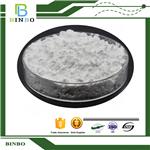
White or yellowish-white, amorphous powder.
Uses
Used to promote absorption of fluid into tissues.
Uses
Hyaluronidase from sheep testes has been used:
- in flow cytometry
- in the isolation of putative spermatogonial stem cells (SSCs)
- to study the effects of magnetic stimulation in magnetic hydrogel properties
- in immunohistochemistry to visualize collagen type II distribution
- to expose group-III auditory neurons of Muller′s organ for patch-clamp recordings
- for the degeneration of hydrogels
Definition
Any of a class of soluble enzymes produced in mammalian testes that catalyze cleavage of glycosidic
bonds of oartucular mucopolysaccharides. As a
component of venoms, it reduces the viscosity of
connective tissues and promotes tissue penetration
of the ve
General Description
Hyaluronidase is a hyaluronic acid-metabolizing enzyme. It is found in the venoms of snake, honeybee and hymenoptera. Hyaluronidase degrades hyaluronic acid (HA), which enhances membrane permeability, lowers viscosity and increases tissue permeability. It enhances the diffusion of local anesthetics, lowers the size of myocardial infarction, improves the effects of anticancer drugs and prevents perineal trauma during spontaneous delivery.
Biochem/physiol Actions
Hyaluronidase degrades hyaluronan and has been found to be inappropriately regulated during cancer progression.
Purification Methods
Hyaluronidase is purified by chromatography on DEAE-cellulose prior to use. [Distler & Jourdain J Biol Chem 248 6772 1973.]
Description
Hyaluronidase is a glycoprotein isolated from bovine testes that degrades hyaluronan (HA) polymers. This enzyme hydrolyzes the endo-N-acetylhexosaminic bonds of hyaluronic acid, chondroitinsulfuric acid A, and chondroitinsulfuric acid C to tetrasaccharide rich oligosaccharides. Studies have shown that hyaluronidases have the potential for clinical utility as both biomarkers and therapeutic targets when looking at a variety of cancers. Hyaluronidase is an effective enzyme for tissue dissociation.