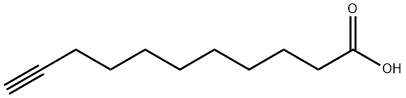
10,12-Tricosadiynoic acid (100 μg/kg; oral gavage; daily; for 8 weeks; male Wistar rats) treatment increases hepatic mitochondrial fatty acid oxidation (FAO) via activation of the SIRT1-AMPK (adenosine 5′-monophosphate-activated protein kinase) pathway and proliferator activator receptor α and reduces hydrogen peroxide accumulation in high fat diet-fed rats, which significantly decreases hepatic lipid and ROS contents, reduces body weight gain, and decreases serum triglyceride and insulin levels[1].
10,12-Tricosadiynoic acid (0 mg/kg, 37.5 mg/kg, 75 mg/kg, and 150 mg/kg diet) treatment does not affect weight gain, but significantly decreases peroxisomal β-oxidation in the liver, and increased body fat accumulation in Nile tilapia. The fish with impaired peroxisomal β-oxidation exhibited higher contents of serum lipid and peroxidation products, and alanine aminotransferase activity, and significantly lowered hepatic activities of superoxide dismutase and catalase[3].
| Animal Model: | Male Wistar rats (210-230 g) fed with high fat diet[1] |
| Dosage: | 100 μg/kg |
| Administration: | Oral gavage; daily; for 8 weeks |
| Result: | Reduced hydrogen peroxide accumulation in high fat diet-fed rats, which significantly decreased hepatic lipid and ROS contents, reduced body weight gain, and decreased serum triglyceride and insulin levels.
|