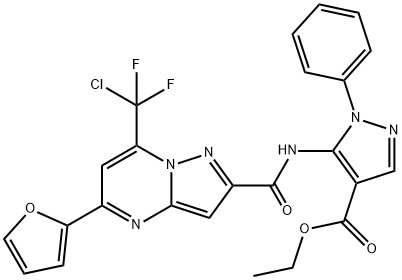
Uses
Mycro 3 is an orally active, potent and selective inhibitor of Myc-associated factor X (MAX) dimerization. Mycro 3 also inhibit DNA binding of c-Myc[1]. Mycro 3 could be used for the research of pancreatic cancer[2].
Biological Activity
Mycro 3 is a potent selective Myc-Max dimerization inhibitor. It can be used in pancreatic cancer research.
in vitro
Mycro 3 is a potent and selective c-Myc inhibitor in whole cell assays, with weak inhibitory activity against Activator protein 1 (AP-1). It has a superior specificity profile to its predecessors. It inhibits the interaction between c-Myc and Max. It has high selectivity and inhibits c-Myc/Max dimerization and conjugation with DNA.
in vivo
Mycro 3 (100 mg/kg; oral administration; daily for two months) induces marked shrinkage of pancreatic ductal adenocarcinoma (PDA), increases cancer cell apoptosis, and reduces cell proliferation. Tumor growth is also drastically attenuated in Mycro 3-treated NOD/SCID mice carrying orthotopic or heterotopic xenografts of human pancreatic cancer cells[2].
| Animal Model: | Moribund Pdx1-cre/KRAS* mice bearing pancreatic ductal adenocarcinoma (PDA)[2] |
| Dosage: | 100 mg/kg |
| Administration: | Oral administration; daily for two months |
| Result: | Increased survival time.
Mycro 3 administration was discontinued after two months, the mouse survived for an additional month. |
References
[1] Chen BJ, et al. Small molecules targeting c-Myc oncogene: promising anti-cancer therapeutics. Int J Biol Sci. 2014 Sep 13;10(10):1084-96. DOI:
10.7150/ijbs.10190[2] Dimitris Stellas, et al. Therapeutic effects of an anti-Myc drug on mouse pancreatic cancer. J Natl Cancer Inst. 2014 Oct 11;106(12):dju320. DOI:
10.1093/jnci/dju320