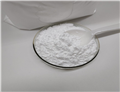
Chemical Properties
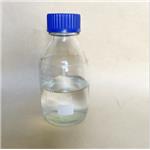
white powder
Uses
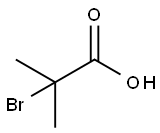
2-Bromo-2-methylpropionic acid is used in the Herceptin functionalization of polyhedral oligomeric silsesquioxane-conjugated oligomers-silica /iron oxide nanoparticles for tumor cell sorting.
Uses
2-Bromoisobutyric acid is used in the synthesis of dextran macroinitiator for atom transfer radical polymerization (ATRP) by partial esterification of hydroxyl group of the polysaccharide. The multifunctional silica colloids were prepared by coating them with 2-bromo-2-methylpropionic acid stabilized quantum dots.
General Description
The multifunctional silica colloids were prepared by coating them with 2-bromo-2-methylpropionic acid stabilized quantum dots.
Synthesis
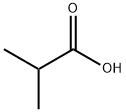
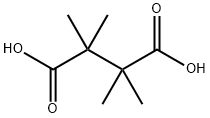
The general procedure for the synthesis of 2,2,3,3-tetramethylbutanedioic acid and 2-bromo isobutyric acid using isobutyric acid as starting material was as follows: 0.005 moles of carboxylic acid 1 was dissolved in 20 mL of anhydrous THF under argon protection, followed by the slow dropwise addition of this solution to a pre-cooled 0.01 moles of LDA (lithium diisopropylammonium) in 30 mL of anhydrous THF. The reaction mixture was gradually warmed to 35-40°C and stirred at this temperature for 30-40 minutes. Upon completion of the reaction, the mixture was cooled to 20-25°C, followed by addition of 0.005 moles of a solution of N,N-diethyl-N-halogenated amine 3 in 20 mL of anhydrous THF. The resulting mixture was continued to be stirred for 2 hours. At the end of the reaction, it was diluted with 30 ml of distilled water and the pH was adjusted with HCl to 1. The reaction product was extracted with ether (3 x 30 ml) and the combined organic phases were dried over anhydrous Na2SO4 and subsequently concentrated. Removal of the ether gave a mixture of dicarboxylic acids 8a-8c and α-halocarboxylic acids 9a-9f. The structures of the products were confirmed by 1H NMR and 13C NMR spectroscopic analyses and the data were in agreement with those reported in the literature [2,3].
References
[1] Russian Journal of General Chemistry, 2016, vol. 86, # 11, p. 2469 - 2472
[2] Zh. Obshch. Khim., 2016, vol. 86, # 11, p. 1826 - 1829,4